Authentication Flows That Bridge Wallet Transfers to Exclusive Reward Tiers in Handheld Entertainment Systems
Jordan Butler · Aug 13, 2026
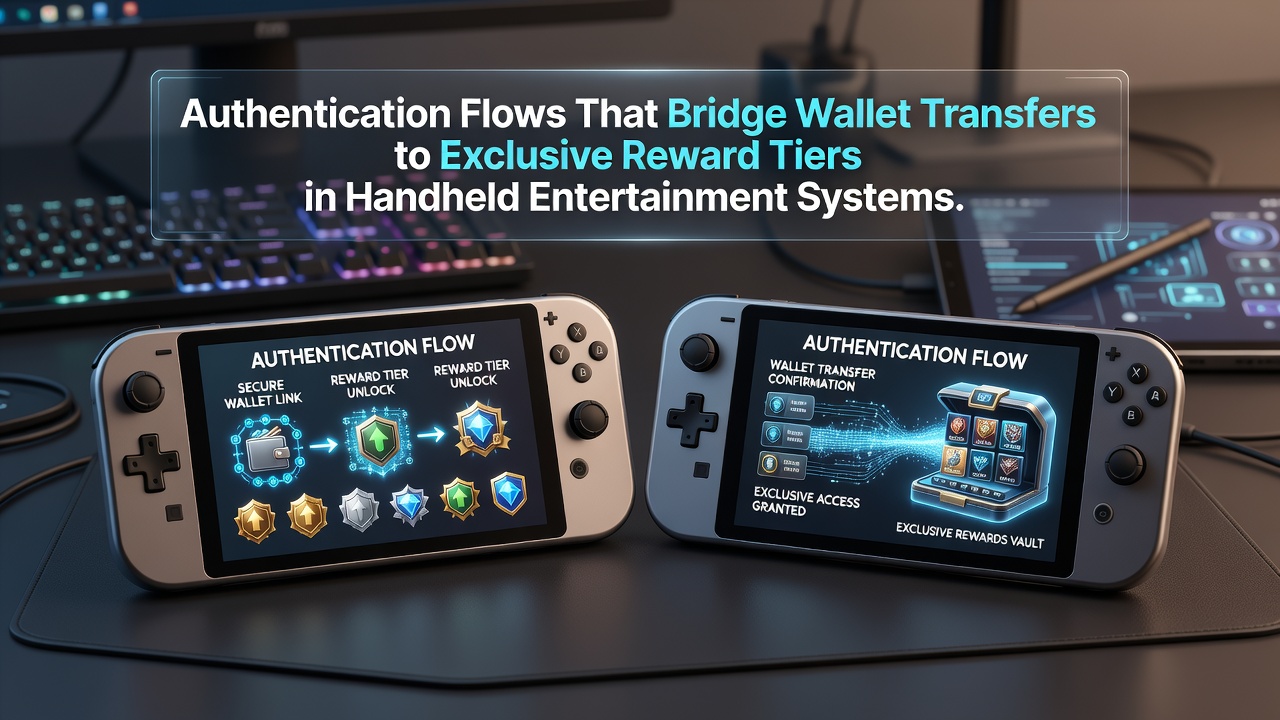
Authentication Flows That Bridge Wallet Transfers to Exclusive Reward Tiers in Handheld Entertainment Systems
Authentication flows in handheld entertainment systems connect digital wallet transfers directly to tiered reward structures through layered verification protocols that validate user identity, transaction integrity, and eligibility criteria before granting access to premium features. These sequences typically begin with device-level biometric checks or multi-factor authentication that sync with wallet APIs, allowing seamless movement of funds while maintaining compliance records for each interaction. Observers note that such mechanisms have expanded across mobile platforms since the early 2020s as developers integrated blockchain-based ledgers and centralized payment processors to handle both fiat and cryptocurrency transfers.
Core Components of Secure Authentication Sequences
Developers rely on standards such as OAuth 2.0 combined with OpenID Connect to establish trust between a user's wallet provider and the entertainment application, and these protocols exchange tokens that confirm ownership without exposing private keys. Token validation occurs in real time, after which the system cross-references transaction metadata against predefined reward thresholds that determine whether the transfer qualifies for tier advancement. Data from industry reports indicates that mobile entertainment applications processed over 40 percent more authenticated wallet transactions in the first half of 2026 compared with the same period in 2025, reflecting broader adoption of instant settlement technologies.
Encryption standards including AES-256 and transport layer security protect each step of the flow, while session management tools track user activity across multiple devices to prevent unauthorized tier elevation. When a transfer meets volume or frequency requirements, the backend updates teh user's profile within the reward database and issues a new access credential that unlocks exclusive content libraries or accelerated progression systems. Researchers at several technical universities have documented how these updates reduce latency to under two seconds on average when 5G networks are available.
Integration Patterns Across Major Platforms
Handheld entertainment ecosystems often embed wallet SDKs from providers such as Apple Pay, Google Wallet, and various cryptocurrency services, allowing the same authentication layer to support both traditional banking rails and decentralized finance transfers. The process begins when the application requests permission to read wallet balance and transaction history, after which the user authorizes the action through a signed challenge that the platform verifies against its internal rules engine. Once confirmed, the system calculates reward points or status upgrades based on cumulative spend and applies them immediately, enabling users to access higher-tier virtual items or live event streams without additional manual steps.
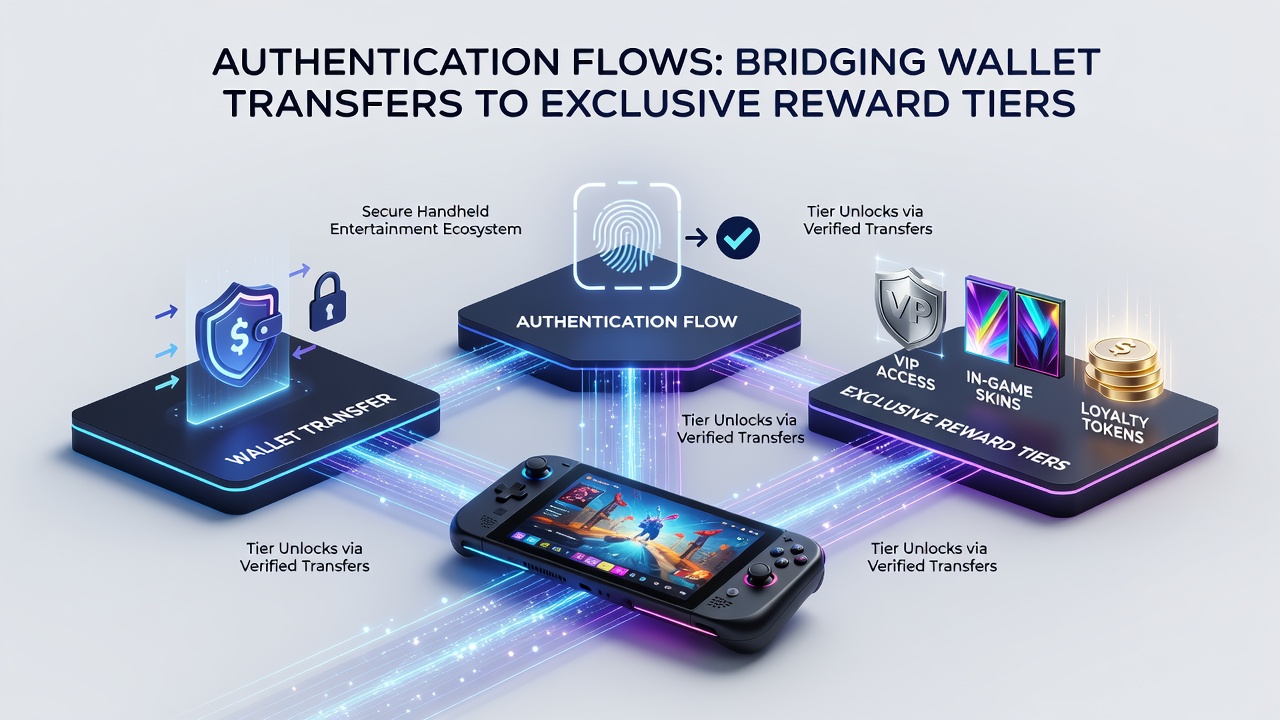
European regulatory bodies including the European Commission have published guidelines on digital payment interoperability that influence how entertainment platforms structure these flows, and similar frameworks from the Australian Competition and Consumer Commission emphasize consumer consent at every stage. In August 2026, several major developers rolled out enhanced multi-device synchronization features that maintain authentication state across phones, tablets, and wearable displays, reducing repeated login friction while preserving security logs for audit purposes. Industry associations tracking these deployments report that platforms adopting unified authentication saw a measurable increase in user retention within the first quarter of implementation.
Technical Challenges and Mitigation Strategies
Network variability and device fragmentation present ongoing hurdles for consistent authentication performance, yet developers address these through fallback mechanisms that downgrade to SMS-based verification or cached tokens when connectivity drops. Fraud detection modules analyze behavioral patterns such as transfer velocity and geographic anomalies before approving tier progression, and machine learning models trained on historical data continue to refine these filters. Studies conducted by independent research institutions show that platforms incorporating real-time risk scoring experienced fewer disputed transactions during the 2025-2026 period.
Cross-border transfers introduce additional compliance layers involving sanctions screening and tax reporting requirements that the authentication flow must accommodate without delaying user experience. Systems achieve this by pre-validating wallet addresses against regulatory lists and embedding jurisdiction-specific rules into the decision engine. As a result, users in different regions encounter tailored reward structures that align with local financial regulations while still participating in the same global entertainment ecosystem.
Future Developments in Reward Tier Connectivity
Emerging standards for verifiable credentials and decentralized identity promise to further streamline the bridge between wallet activity and reward access by allowing users to prove tier eligibility without repeated data sharing. Pilot programs launched in mid-2026 tested these approaches on select mobile platforms, demonstrating reduced onboarding times and improved privacy metrics. Observers tracking the sector note that continued refinement of these flows will likely coincide with wider deployment of quantum-resistant encryption to safeguard long-term transaction records.
Conclusion
Authentication flows serve as the operational backbone that links wallet transfers to exclusive reward tiers within handheld entertainment systems, relying on established security protocols, regulatory compliance checkpoints, and real-time processing engines to deliver consistent outcomes. As mobile platforms evolve through 2026 and beyond, the integration of advanced identity technologies and cross-jurisdictional standards continues to shape how users experience tiered benefits across diverse entertainment formats.