Charting Reward Pathways Through Secure Funding Channels in Handheld Prize and Loyalty Ecosystems
Blake Braun · May 23, 2026
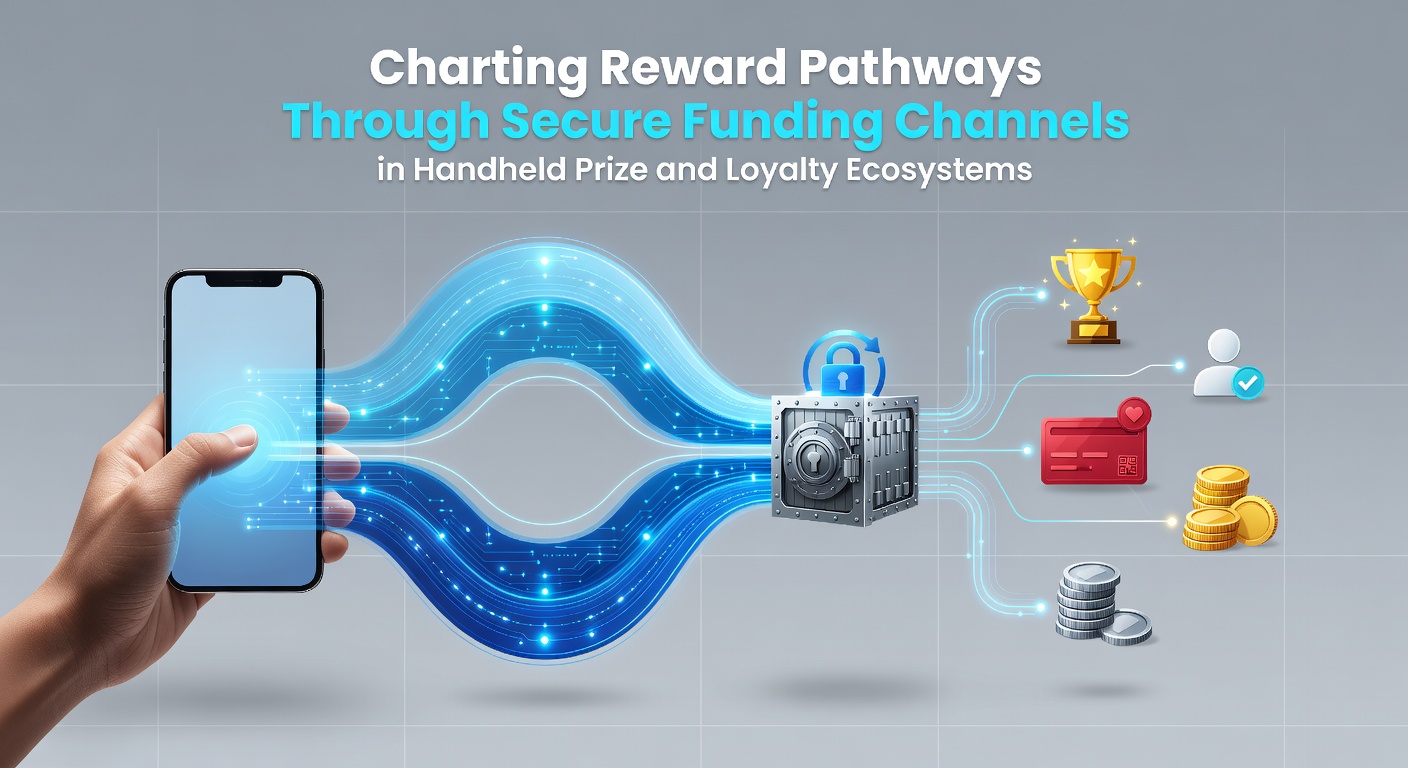
Charting Reward Pathways Through Secure Funding Channels in Handheld Prize and Loyalty Ecosystems
Handheld prize and loyalty ecosystems operate through mobile applications that connect users to reward structures funded by verified payment channels, and these systems map out pathways where deposits, prize redemptions, and point accumulations occur under regulated security protocols. Data from industry reports shows that transaction volumes in such platforms reached notable levels by early 2026, driven by integration of digital wallets and tokenized transfers that reduce exposure to unauthorized access.
Mapping the Core Components of These Ecosystems
Observers note that reward pathways begin with user onboarding, where identity verification links directly to funding sources such as bank transfers, prepaid cards, or approved third-party processors, and this linkage creates a traceable route from initial deposit to accumulated loyalty points. Researchers discovered that ecosystems employ layered authentication methods including biometric checks and device fingerprinting to secure each step along these routes, whereas traditional desktop systems often rely on fewer mobile-specific safeguards.
Those who've studied this know that loyalty points accrue based on activity metrics like session duration or prize claims, yet the conversion of those points into actual rewards depends on secure disbursement channels that verify fund availability before release. Evidence suggests integration with real-time settlement networks allows pathways to operate without delays, and this setup supports both instant micro-rewards and larger redemptions processed through the same verified channels.
Secure Funding Channels and Their Role in Pathway Integrity
Secure funding channels form the backbone of these ecosystems by employing encryption standards and compliance checks that align with regional payment regulations, and experts have observed that channels must handle both inflows from users and outflows for prizes while maintaining audit trails. According to findings from the International Gaming Institute at UNLV, tokenized payment methods reduce fraud incidents by routing funds through intermediary ledgers rather than direct account exposures.
But here's the thing: funding pathways gain additional security when platforms incorporate dynamic risk scoring that adjusts verification requirements based on transaction patterns, while users experience streamlined access once initial setups complete. Data indicates that in May 2026 several platforms expanded partnerships with regional processors to cover cross-border prize distributions, ensuring pathways remain operational across different regulatory zones without compromising verification standards.
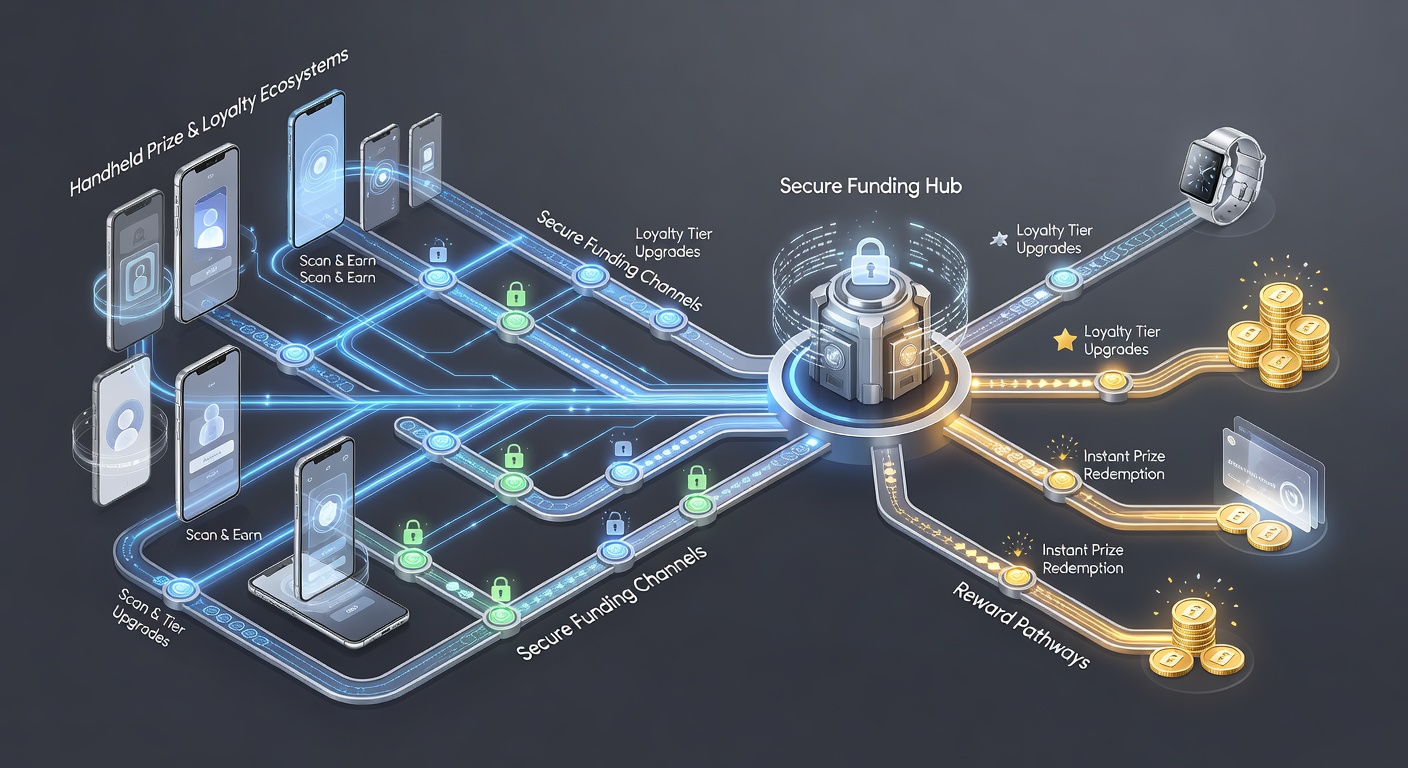
What's interesting is how these channels also support recurring loyalty contributions, where a portion of each funded transaction automatically allocates to point pools that feed future rewards, and this automation creates predictable reward pathways that users can track through app dashboards. Studies found that platforms using multi-signature approval for larger disbursements see fewer disputes, since each pathway step requires consensus from independent verification nodes before funds move.
Developments in Reward Pathway Efficiency During 2026
Figures reveal that handheld ecosystems processed increased volumes of loyalty-based transactions in the first half of 2026, and this growth coincided with updates to security protocols that incorporated machine learning models for anomaly detection along funding routes. Researchers discovered that pathways incorporating instant verification APIs allowed rewards to reach users within seconds of claim approval, whereas older batch-processing methods introduced unnecessary lags.
There's this case where platforms in various regions adopted unified compliance frameworks that map reward distributions against anti-money laundering requirements, and this alignment ensures that every funding channel transaction carries metadata linking it back to the originating loyalty activity. Observers note that such mappings help maintain transparency without slowing user experiences, since the checks run in parallel with reward calculations.
Integration of Loyalty Metrics with Payment Security
Loyalty metrics integrate with payment security through shared databases that flag unusual point redemptions against funding histories, and this cross-referencing prevents misuse while preserving smooth operation of reward pathways. Evidence suggests that ecosystems benefit from standardized reporting formats developed by trade groups, which allow different platforms to exchange pathway data securely when users transfer between services.
According to a report from the Australian Gambling Research Centre, handheld systems that embed loyalty tracking within the same encryption layers used for funding channels demonstrate lower rates of account compromise compared to separated systems. People often find that these combined structures support detailed analytics, where operators can trace reward origins back through each secure channel without exposing personal financial details.
Conclusion
Handheld prize and loyalty ecosystems continue to refine reward pathways by strengthening connections to secure funding channels, and ongoing developments in verification technology support expanded functionality across regions. Data from May 2026 highlights how these integrations enable consistent prize distribution while meeting compliance demands, creating measurable improvements in pathway reliability. Researchers continue to examine how evolving payment standards influence the long-term structure of these mobile reward systems.