Cross-border Transaction Safeguards Shaping Cumulative Reward Thresholds in App-Enabled Dealer Simulations and Automated Reel Systems
Noah Roth · Jul 9, 2026
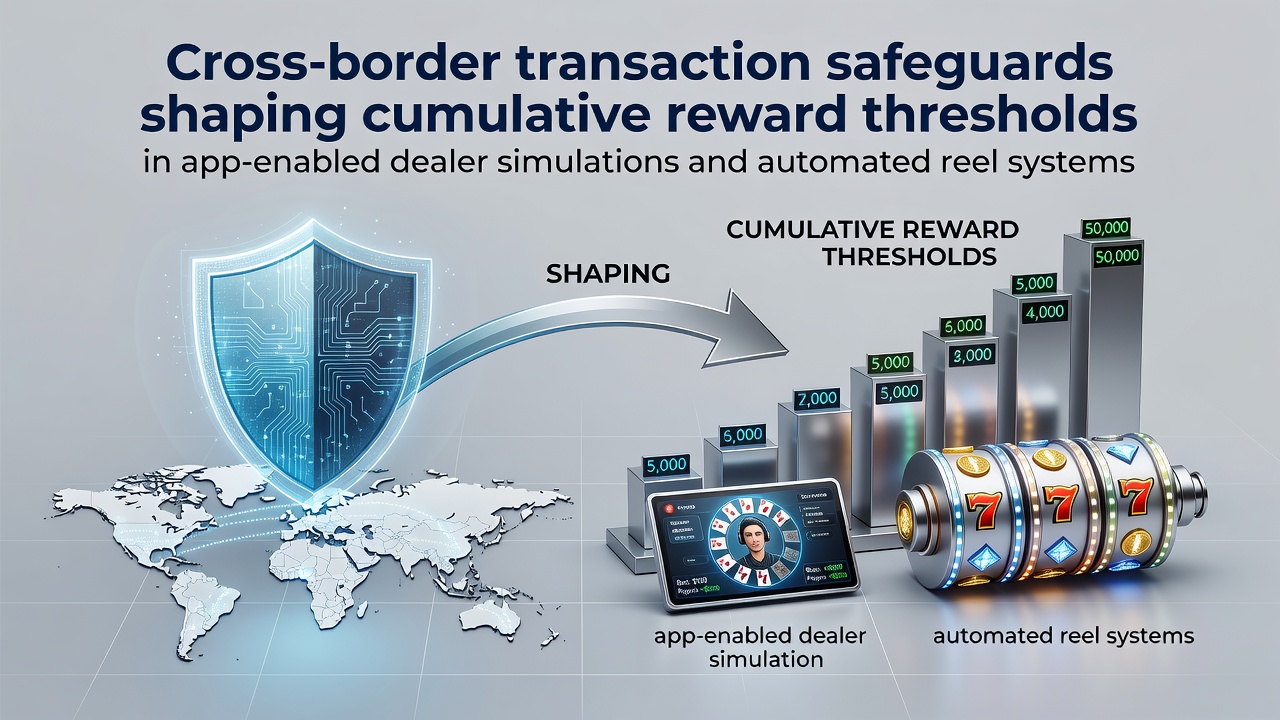
Cross-border Transaction Safeguards Shaping Cumulative Reward Thresholds in App-Enabled Dealer Simulations and Automated Reel Systems
Cross-border transaction safeguards have grown more intricate as app-enabled dealer simulations and automated reel systems expand their reach across multiple jurisdictions, and these measures directly influence how platforms calculate and cap cumulative reward thresholds for users. Regulatory frameworks in various regions now require real-time monitoring of fund flows that cross national boundaries, which forces operators to adjust loyalty accumulation rates and bonus unlock levels accordingly. Data from industry monitoring services shows that transaction verification sequences often trigger tier adjustments when cumulative deposits or withdrawals exceed predefined limits set by anti-money laundering protocols.
Regulatory Foundations Driving Threshold Adjustments
Authorities in North America and the European Union have implemented stricter cross-border payment verification rules since early 2025, and these changes affect how mobile gaming platforms manage reward pools in both live dealer environments and slot simulations. Platforms must now align their internal algorithms with external compliance databases that flag suspicious patterns in international transfers, which leads to dynamic recalibration of reward thresholds to prevent unauthorized accumulation. Observers note that such alignments create layered approval processes where each verified transaction contributes to a user's running total only after passing multiple security checks.
One study conducted by a Canadian research institute revealed that operators reduced maximum reward ceilings by an average of 18 percent in jurisdictions requiring enhanced due diligence on cross-border activity, while those in less restrictive markets maintained higher limits. This variation creates uneven playing fields for users who access the same app from different locations, and cumulative reward systems respond by applying geo-specific multipliers that either accelerate or slow point accrual based on transaction origin data.
Impact on Dealer Simulation Platforms
App-based dealer simulations integrate these safeguards through automated identity verification modules that cross-reference user accounts with global transaction registries, and the process directly shapes how quickly players reach bonus eligibility in real-time table environments. When a cross-border deposit clears the initial safeguard layer, the system records it toward cumulative thresholds, yet subsequent transfers from high-risk corridors may require manual review that temporarily freezes reward progression. Researchers at an Australian university found that such pauses occur most frequently during peak international activity periods, which disrupts the steady build-up of loyalty metrics in simulation formats.
Platforms have responded by embedding predictive analytics that forecast threshold impacts before transactions finalize, allowing users to see projected reward adjustments in advance. This approach maintains compliance while preserving engagement levels across dealer simulation modules, and it connects directly to the automated systems that handle reel-based games on the same applications.
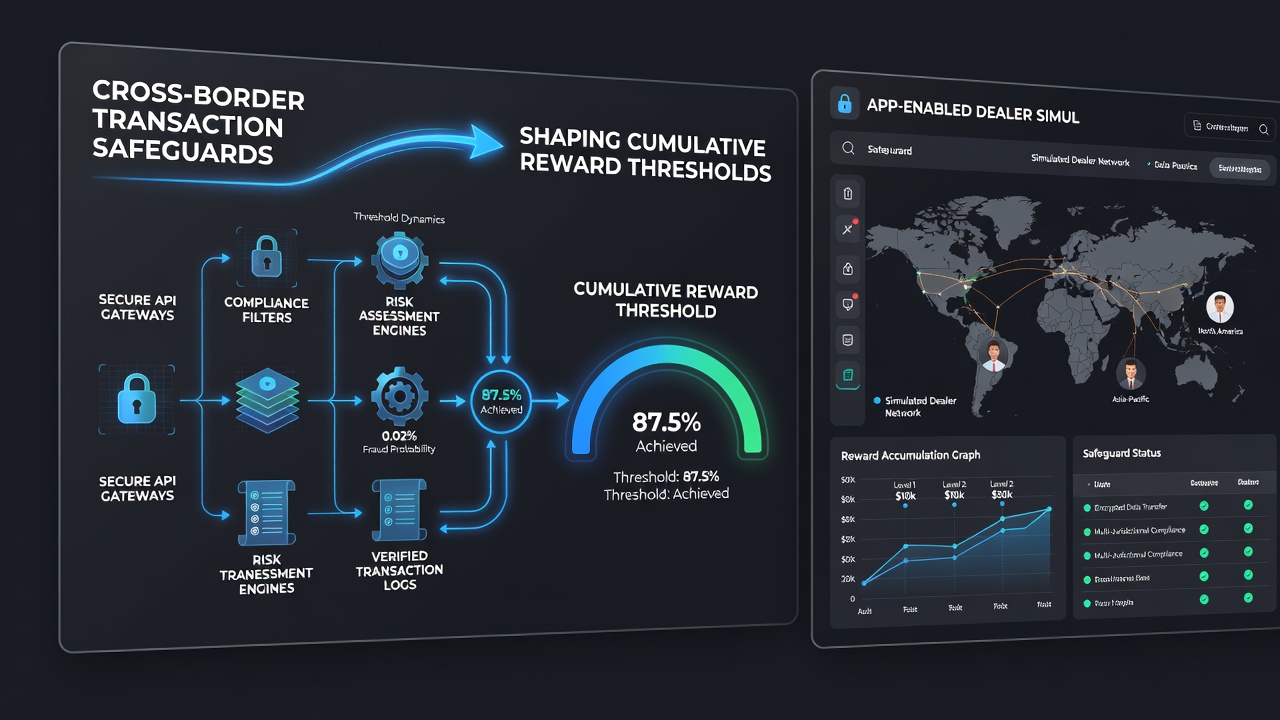
Automated Reel Systems and Threshold Calibration
Automated reel mechanisms within mobile applications apply similar safeguard protocols but often process higher volumes of smaller transactions, which creates unique challenges for cumulative reward tracking. Each spin session aggregates micro-deposits that may originate from multiple countries, and the cumulative total must satisfy verification standards before advancing toward jackpot or loyalty milestones. Figures released by the Malta Gaming Authority in July 2026 indicated that reel platforms adjusted threshold algorithms quarterly to accommodate evolving cross-border rules, resulting in more granular reward bands that reflect transaction risk profiles rather than flat accumulation rates.
Those who manage these systems report that integration with blockchain verification tools has reduced false flags on legitimate international transfers, which in turn stabilizes reward threshold calculations. Yet the same tools introduce new variables when network delays occur, and operators must then decide whether to hold reward credits until confirmation arrives or apply provisional thresholds that later reconcile with final data.
Case Examples from July 2026 Operations
During July 2026 several major platforms updated their reward engines after new safeguard directives took effect in multiple regions simultaneously, and one documented instance showed a 12 percent shift in cumulative thresholds for users with mixed domestic and international funding sources. Another example involved an operator that introduced region-specific reward multipliers tied to transaction corridor classifications, allowing users to maintain steady progress toward bonuses even when safeguards extended verification times. These adjustments demonstrate how external regulatory requirements translate into precise changes within app logic for both dealer simulations and reel systems.
Conclusion
Cross-border transaction safeguards continue to reshape cumulative reward thresholds across app-enabled gaming formats, and the effects appear most clearly in how platforms balance compliance demands with user progression mechanics. Data indicates that ongoing refinements in verification technology will likely produce even more responsive threshold systems by late 2026, particularly as international coordination among regulators increases. Those monitoring the sector observe that successful adaptation depends on seamless integration between safeguard protocols and reward algorithms rather than isolated policy responses.