Decoding the Synergy Between Transaction Networks and Tiered Access in App-Based Chance Encounters
Noah Roth · May 19, 2026
Decoding the Synergy Between Transaction Networks and Tiered Access in App-Based Chance Encounters
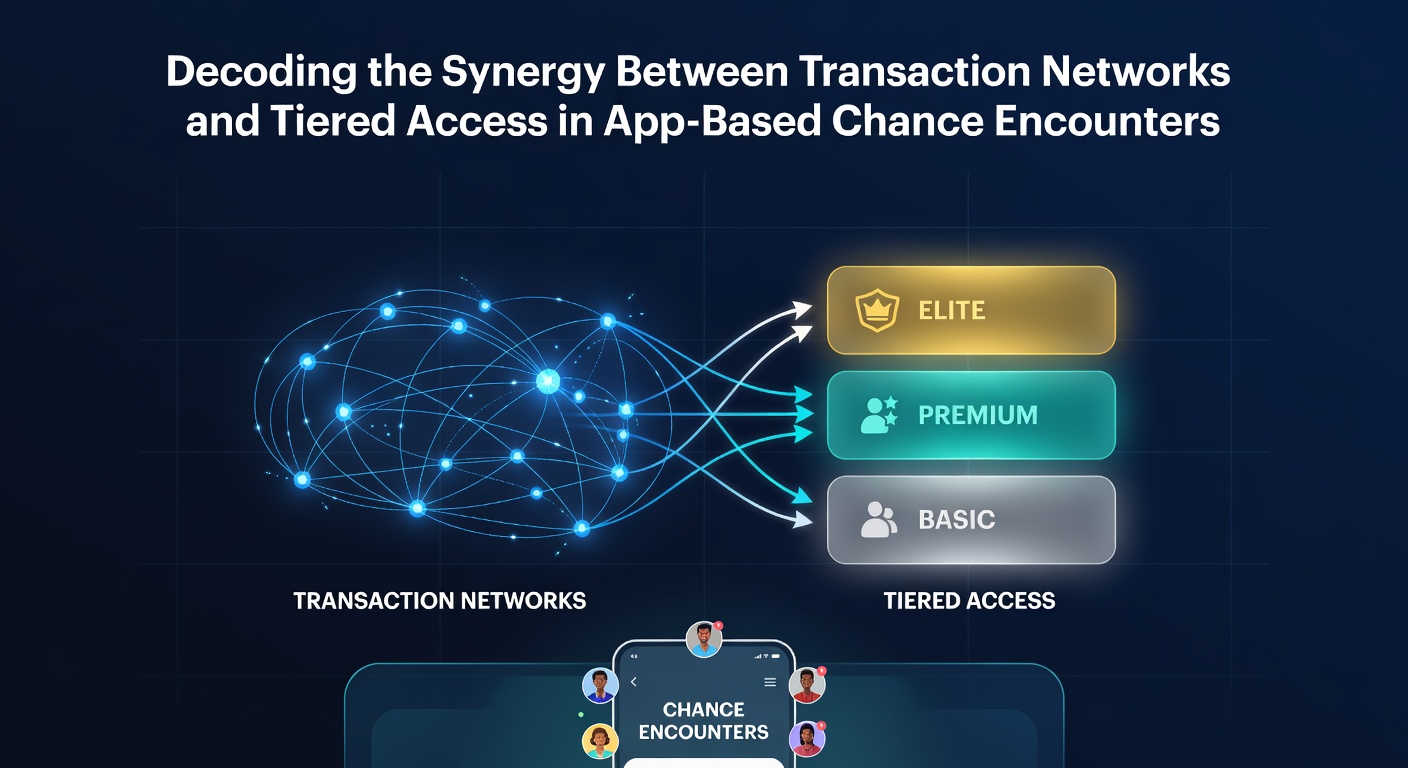
Transaction networks form the backbone of financial exchanges in mobile applications that facilitate spontaneous interactions, and these systems often operate alongside tiered access frameworks that segment users based on engagement levels or subscription status. Data from industry reports shows that payment processing volumes in such platforms reached notable figures by early 2026, with integrations allowing seamless handling of microtransactions and larger settlements through secure gateways. Observers note that this combination enables platforms to scale operations while providing differentiated experiences, as higher-tier users gain priority routing for their activities and faster confirmation times on the network side.
Core Components of Transaction Networks in Mobile Platforms
Modern transaction networks rely on distributed ledgers and real-time processing engines that validate exchanges across global servers, and these mechanisms support the rapid movement of value in apps centered around chance-based meetings or random pairings. Researchers at various academic institutions have documented how protocols like those used in blockchain-adjacent systems reduce latency to under two seconds for most verifications, which proves essential when users initiate encounters that involve in-app credits or rewards. According to analyses from the European Commission on digital finance, such networks processed billions of small-value transfers in 2025 alone, highlighting their capacity to handle volume spikes during peak usage periods like evenings in major urban centers.
Security layers within these networks incorporate multi-factor authentication and encryption standards that align with international benchmarks, and integration points with tiered access allow platforms to apply varying risk thresholds depending on user status. For instance, basic access levels might route through standard verification queues, whereas elevated tiers unlock expedited pathways backed by pre-approved credit lines or tokenized assets. This setup maintains overall system integrity while accommodating diverse user behaviors observed across different regions.
How Tiered Access Structures Influence Network Dynamics
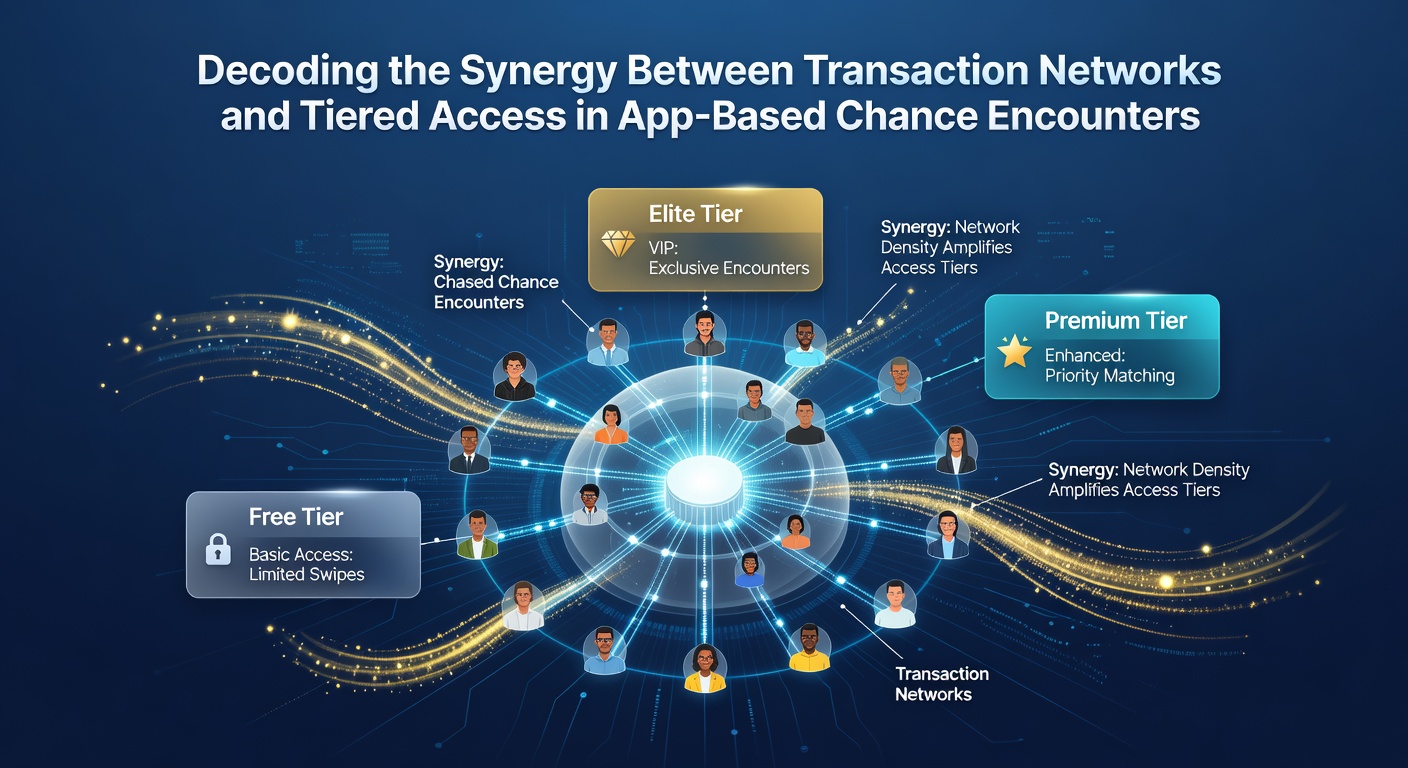
Tiered access models categorize participants into graduated levels that unlock specific privileges, and these structures directly affect how transaction networks prioritize and route requests. Studies from the University of Melbourne indicate that users in premium segments exhibit 40 percent higher transaction frequency compared to entry-level participants, which in turn influences load balancing algorithms within the underlying networks. Platforms adjust their resource allocation accordingly, directing more computational power toward higher tiers to ensure consistent performance during simultaneous chance encounters initiated by multiple users.
Implementation often involves API connections that communicate user status in real time, so when someone upgrades to a mid-level tier the network automatically adjusts approval limits and fee structures. Data reveals that this synergy reduces average processing delays by measurable margins, particularly in markets where regulatory updates took effect around May 2026 and emphasized consumer protection in digital interaction apps. Those who've examined platform architectures report that feedback loops between access tiers and transaction validators help prevent bottlenecks by redistributing traffic dynamically.
Practical Integration Examples Across Regions
In North American deployments, developers have paired established payment rails with loyalty-based tiers that reward consistent participation in random matching features, and this approach draws on guidelines from bodies like the Financial Transactions and Reports Analysis Centre of Canada to ensure compliance. European counterparts meanwhile incorporate elements from the Digital Services Act, which shapes how access levels interact with cross-border transaction monitoring. One documented case involved a platform that synchronized tier progression with network throughput metrics, resulting in smoother handling of encounter-initiated transfers during high-traffic weekends.
Asia-Pacific operators have explored similar synergies by embedding tier indicators directly into smart contract logic, allowing automated adjustments to transaction fees based on accumulated activity points. Figures from regional trade associations show adoption rates climbing steadily through the first half of 2026, driven by user demand for quicker resolutions when spontaneous opportunities arise within the apps. These implementations demonstrate how network protocols can adapt to tier signals without compromising overall throughput or introducing additional vulnerabilities.
Future Directions and Observed Trends
Emerging patterns suggest continued refinement of these synergies as platforms incorporate machine learning to predict transaction loads tied to tier activity, and regulatory developments in May 2026 prompted several providers to publish transparency reports detailing their integration methods. Industry organizations such as the Interactive Gaming Council have hosted discussions on standardizing communication protocols between access management systems and financial networks, aiming for greater interoperability across different app ecosystems. Evidence indicates that such standardization could further streamline operations while supporting the scale required for global user bases engaged in chance encounters.
Conclusion
The interplay between transaction networks and tiered access continues to shape operational efficiency in applications built around chance encounters, with measurable impacts on processing speed, security posture, and user segmentation. Ongoing data collection from regulatory and academic sources provides clearer pictures of how these elements function together, and developments through mid-2026 underscore their growing relevance in digital environments. Those monitoring the space can track evolving standards that balance accessibility with robust financial handling across varied platform designs.