Elevated Circles and Seamless Transfers: How Programmed Memberships Streamline Prize Claims Across Digital Felt and Spinning Interfaces
Sofia Becker · Jun 23, 2026
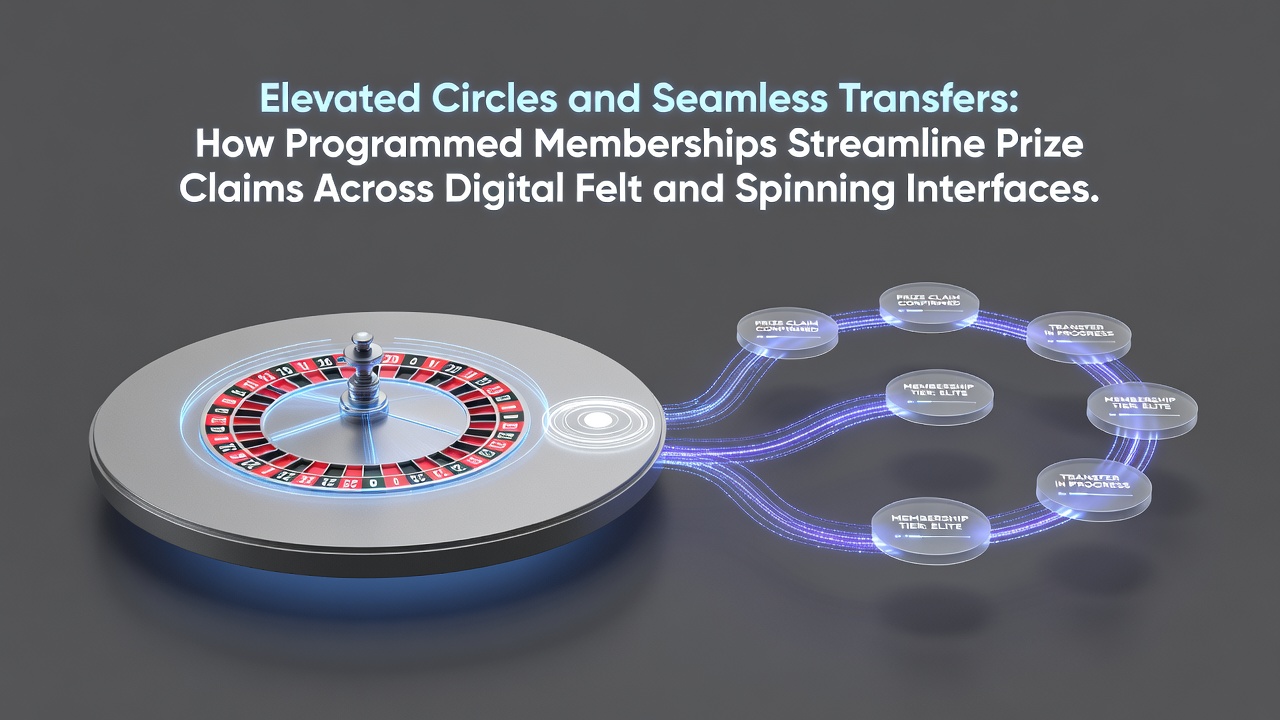
Elevated Circles and Seamless Transfers: How Programmed Memberships Streamline Prize Claims Across Digital Felt and Spinning Interfaces
Programmed memberships in online gaming platforms operate through tiered structures that connect user accounts directly to automated verification systems, and these setups reduce manual steps when players claim prizes on both slot machines and digital poker tables. Data from industry analyses shows that platforms using such systems process claims faster because membership levels trigger predefined rules for identity checks and payout approvals. Observers note that this integration spans mobile apps and desktop interfaces alike, allowing a single profile to handle transactions across spinning reels and felt-style simulations without repeated logins or separate verifications.
Core Mechanics of Tiered Access in Digital Environments
Membership programs assign users to levels based on activity metrics such as deposit frequency and play volume, then these levels activate scripts that pre-approve prize releases once thresholds are met. Researchers have documented cases where elevated tiers bypass secondary confirmations that lower levels require, and this occurs because the programming links account history directly to payout queues. In June 2026 several major operators updated their backend protocols to include real-time synchronization between membership databases and game servers, which cut average claim times by measurable percentages according to platform performance logs.
Those who manage these systems report that the architecture relies on API connections between loyalty engines and game engines, so when a jackpot triggers on a spinning interface the membership data flows instantly to the claims module. Similar pathways apply to digital felt environments where table wins accumulate, and the programmed rules evaluate eligibility without player intervention beyond the initial game action. Industry reports indicate this reduces errors that arise from mismatched account details during manual submissions.
Cross-Platform Prize Flows and Automated Verification
Seamless transfers become possible when membership data serves as the central node connecting funding sources, game outcomes, and payout gateways. A player who reaches a mid-tier status on one platform segment gains access to expedited processing on another because the system recognizes the unified profile across reel-based and table-based modules. Figures from operational reviews reveal that platforms employing these unified circles handle simultaneous claims from multiple game types with fewer interruptions than fragmented systems.
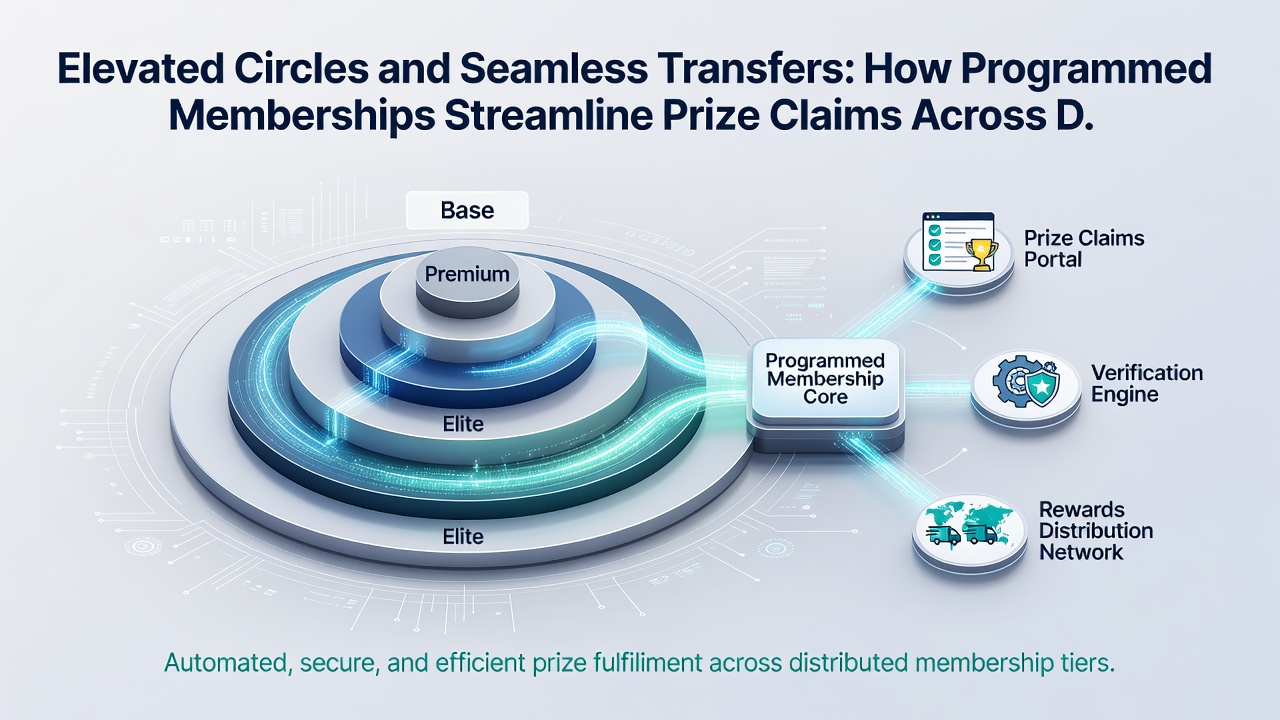
Payment verification sequences now embed membership tier data at the point of win registration, which means the software checks status before routing the request to financial processors. This approach applies equally to automated reel outcomes and live dealer table results, and analysts point out that the consistency across formats stems from shared code libraries rather than separate modules for each game category. External data compiled by the American Gaming Association highlights growth in automated claim adoption among regulated operators during 2025 and into 2026.
Implementation Patterns Across Mobile and Desktop Formats
Developers integrate these membership layers through modular updates that overlay existing game clients, so users experience the streamlined process without downloading new applications. When a prize claim initiates on a mobile spinning interface the tier information travels through encrypted channels to the central server, which then authorizes release if criteria match. The same pathway activates for desktop digital felt sessions, and this symmetry arises because the programming treats both environments as interchangeable endpoints within one ecosystem.
Case examples documented in technical white papers show operators achieving reduced support ticket volumes after rolling out elevated circle features, because players encounter fewer status queries during the claim sequence. Research from academic groups at institutions studying digital entertainment systems has examined how these programmed rules align with regulatory requirements in multiple jurisdictions, and the findings indicate improved audit trails when membership data logs every verification step.
Future Adjustments and Regulatory Alignment
Platform operators continue to refine membership programming in response to updates from bodies such as the Canadian regulatory framework for online gaming, which emphasizes transparent data handling during prize distribution. Adjustments scheduled for later in 2026 focus on expanding tier benefits to include cross-game rollover of claim eligibility, allowing a single elevated status to cover both slot and table wins without separate activations. Those tracking these developments observe that the technical infrastructure already supports such expansions through scalable rule engines.
Conclusion
Programmed membership structures have established direct connections between user activity records and automated prize systems across digital gaming formats. Evidence from operational metrics and regulatory filings demonstrates measurable improvements in claim processing speed and consistency when tiered access governs verification steps. As platforms maintain these integrations through 2026 and beyond, the emphasis remains on reliable data flows that link membership levels to both spinning interfaces and digital felt environments without introducing additional user friction.