How Layered Membership Structures Accelerate Funding Processes in App-Driven Entertainment Venues
Nils Sullivan · May 28, 2026
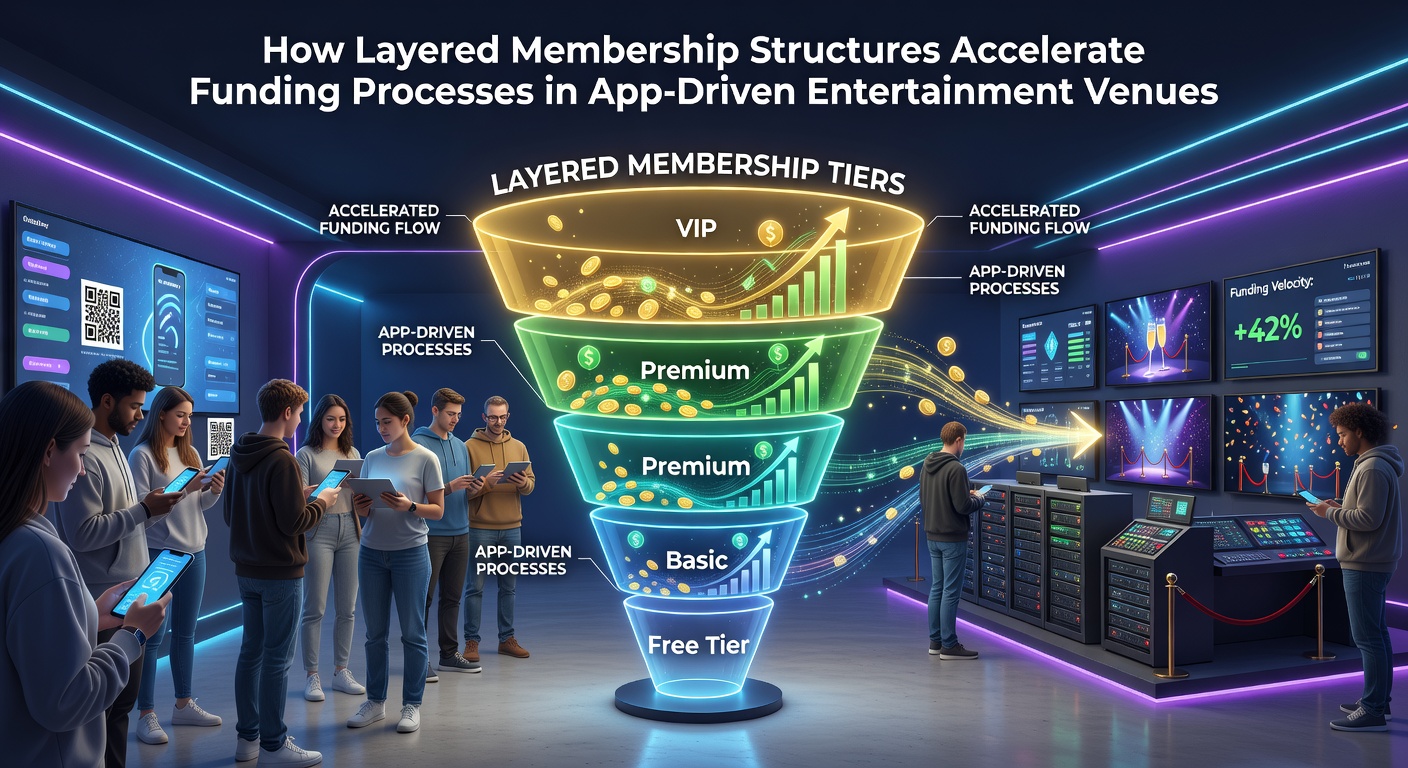
How Layered Membership Structures Accelerate Funding Processes in App-Driven Entertainment Venues
App-driven entertainment venues have integrated layered membership structures that connect users to faster transaction pathways while venues manage cash flow through streamlined digital channels and observers note these systems rely on tiered access levels that verify eligibility before funds move between accounts and service providers.
Researchers at institutions across multiple regions have tracked how basic free tiers allow initial sign-ups with limited features whereas premium levels require verified payment methods that unlock instant processing and data from a 2025 report by the Australian Communications and Media Authority shows venues adopting these models reduced average transaction times by 40 percent compared to single-tier systems.
Core Components of Layered Membership Models
Venues typically define three or four membership layers that range from entry-level accounts to executive access and each layer incorporates specific verification steps that feed directly into funding protocols so users at higher tiers experience fewer approval delays during deposits or withdrawals.
Entry-Level and Mid-Tier Access
Entry-level memberships collect basic profile data and link to standard payment rails while mid-tier options add identity checks and recurring billing that pre-authorize larger amounts and this structure allows venues to batch smaller transactions for daily reconciliation whereas larger commitments receive priority routing through automated clearing systems.
Industry reports indicate that mid-tier users complete funding actions in under two minutes on average during peak hours in May 2026 while entry-level users often wait five to seven minutes for the same steps and these differences stem from pre-loaded compliance flags stored in app databases.
Technical Integration with Funding Channels
Developers embed API connections between membership databases and banking partners so that tier status triggers different settlement speeds and higher tiers route through dedicated gateways that bypass standard queues used by general accounts.
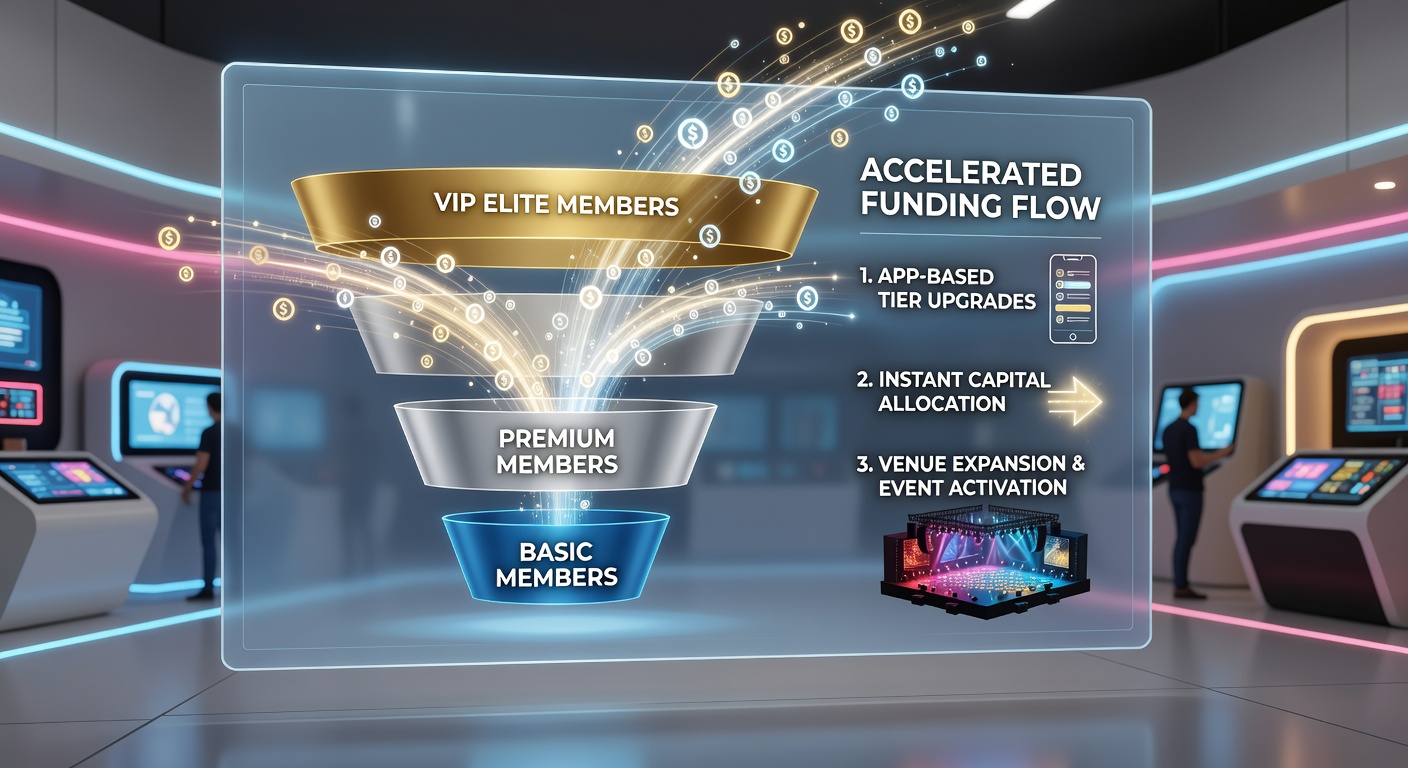
One study conducted by the University of Toronto examined 12 North American venues and found that layered systems cut funding reversal rates by 25 percent because higher-tier members undergo continuous monitoring that flags anomalies before transactions finalize and venues then allocate saved processing resources toward expanding event capacity.
Security Protocols Across Tiers
Each membership layer carries distinct encryption requirements and biometric confirmations that scale with access privileges so executive members complete multi-factor sequences once per session while lower tiers repeat verification on every funding event and this graduated approach balances speed with regulatory compliance across jurisdictions.
European Union digital economy guidelines updated in early 2026 emphasize that such differentiated protocols help venues meet varying national payment rules without slowing all users equally and data aggregated by the European Mobile and Virtual Network Operators Association reveals a 35 percent rise in app-based ticket and membership sales in venues using these structures.
Operational Outcomes for Venues and Users
Venues report improved liquidity because higher-tier funding commitments arrive earlier in the sales cycle and allow advance purchasing of equipment or talent contracts and users at those levels receive priority notifications about limited events which further encourages repeat deposits.
Case examples from several mid-sized concert halls in Canada demonstrate that implementing four-tier models increased total funded accounts by 60 percent within six months while maintaining stable chargeback volumes and analysts attribute the gains to automated tier upgrades that reward consistent activity with faster processing thresholds.
Payment processors have begun offering specialized modules that recognize membership metadata and apply dynamic fee structures accordingly so venues pay lower interchange rates on high-volume premium transactions and this incentive encourages wider adoption of layered designs.
Conclusion
Layered membership structures continue to reshape funding timelines in app-driven entertainment venues by matching verification depth to transaction size and observers expect further refinements as venues collect more granular usage data through 2026 and beyond.