Layered Benefits Unfolding From Mobile Transactions in Real-Time Dealer and Slot Prize Systems
Blake Braun · Jun 9, 2026
Layered Benefits Unfolding From Mobile Transactions in Real-Time Dealer and Slot Prize Systems
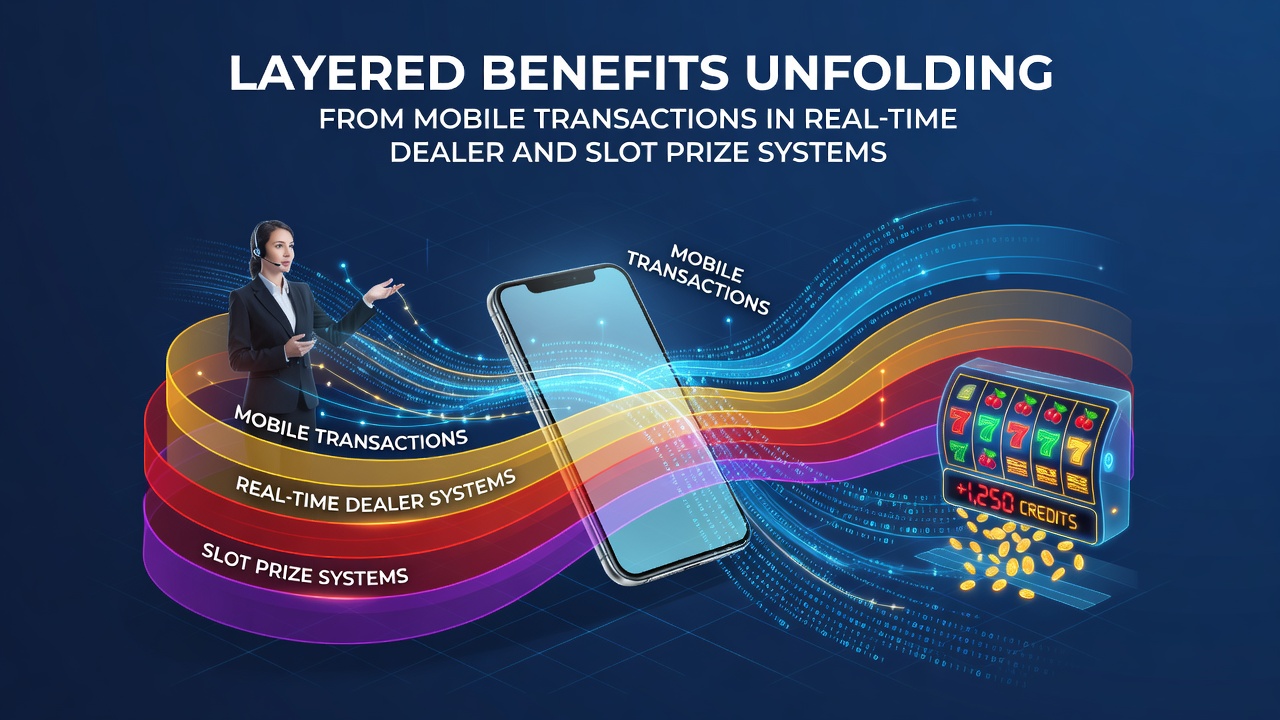
Observers note that mobile transactions now feed directly into real-time dealer platforms and slot prize engines, creating sequential layers of access that build as funds clear and activity accumulates. These systems process deposits in seconds, which then trigger eligibility for escalating prize tiers without requiring separate verification steps at each level. Data from industry tracking services shows transaction volumes in mobile casino environments rose steadily through spring 2026, with June figures reflecting continued integration between payment rails and game servers across multiple jurisdictions.
Real-Time Processing Mechanics
Payment gateways connect to backend databases that update player profiles instantly upon confirmation, while live dealer streams receive simultaneous signals that unlock table seating or side bet options. Slot networks receive the same feed, adjusting prize pool contributions and bonus round availability as soon as the transaction settles. Those who monitor these platforms report that the architecture eliminates lag between funding and feature activation, allowing prize systems to reflect new balances within the same gaming session. Regulatory filings from the Nevada Gaming Control Board document similar technical standards that operators must meet when linking mobile wallets to both automated reels and staffed tables.
First Layer: Immediate Eligibility and Access
Once a mobile deposit completes, the primary layer grants entry to current prize pools in slot machines and live dealer tables without additional delays. Players receive confirmation messages that detail updated account status, and the game interfaces reflect new credit lines in real time. This initial benefit extends to basic loyalty tracking, where each transaction logs toward daily or weekly activity thresholds that later unlock higher reward brackets. Research compiled by the American Gaming Association indicates that operators using unified transaction ledgers report higher session continuity because users move from deposit to active play without exiting the application.
Second Layer: Tiered Rewards and Priority Features
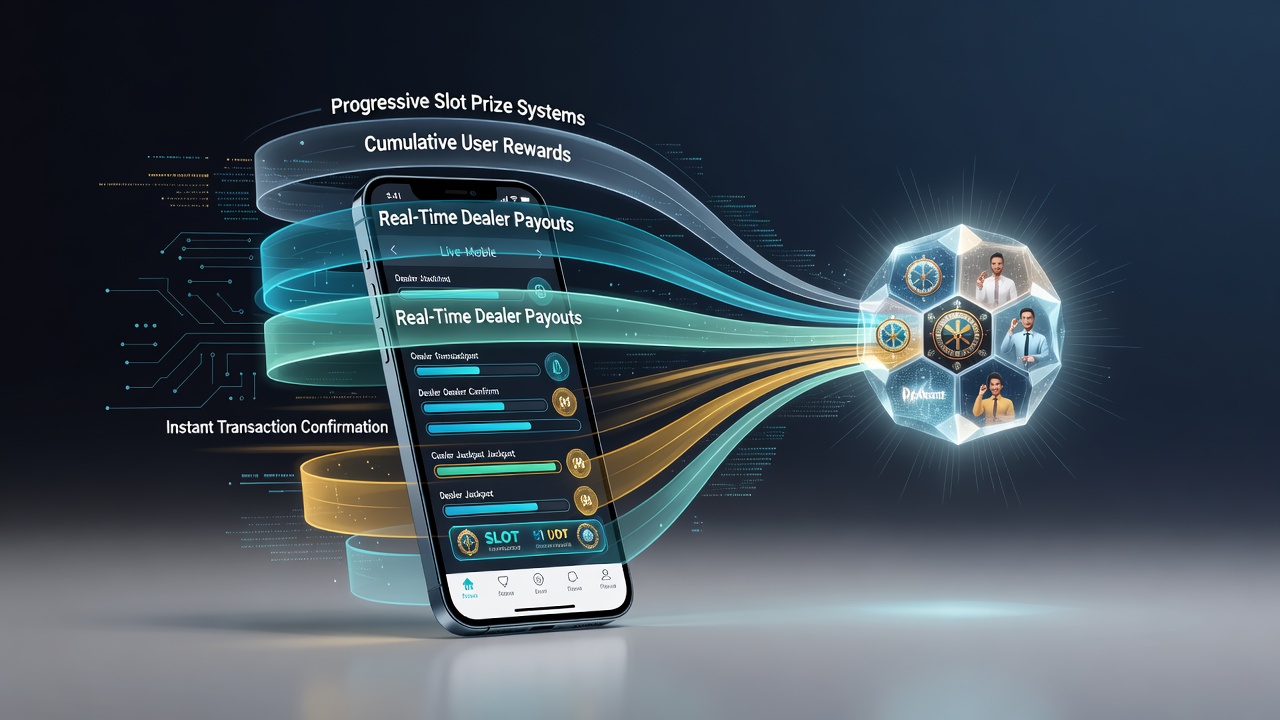
Subsequent layers activate when cumulative transaction data meets predefined thresholds, granting access to enhanced prize multipliers or reserved dealer tables. Slot systems adjust payout percentages for qualifying accounts, while live dealer environments offer faster seat rotation and exclusive game variants. These escalations occur automatically through the same mobile transaction record, removing the need for manual tier applications. In June 2026, several platforms introduced dynamic adjustment protocols that recalibrate reward layers hourly based on incoming mobile funding patterns, creating measurable differences in prize distribution across user segments.
Security and Verification Integration
Transaction verification sequences serve as the foundation for all subsequent layers, with identity checks and fraud screening completed at the payment stage rather than repeated at each prize threshold. This approach reduces redundant data entry while maintaining compliance records that regulators can audit in real time. Systems employed in regulated markets such as those overseen by iGaming Ontario embed these checks within the mobile flow, allowing prize engines to reference verified status without separate queries. Observers tracking these implementations note that fewer interruptions occur during live dealer interactions because authentication already occurred at the funding point.
Cross-System Synchronization Examples
One documented case involves a platform where a single mobile deposit simultaneously updated slot loyalty meters and live dealer waiting lists, enabling the user to enter a progressive jackpot pool while seated at a blackjack table within minutes. Another instance showed transaction history feeding into automated reel mechanics that released bonus spins calibrated to the deposit size and frequency. These synchronized updates rely on application programming interfaces that pass data between payment processors and game servers without intermediate storage delays. Industry reports from the European Gaming and Betting Association highlight similar synchronization standards emerging in multiple European markets during the first half of 2026.
Conclusion
The structure of layered benefits continues to evolve as mobile transaction data becomes more deeply embedded in both dealer and slot environments. Current implementations demonstrate that sequential access tiers arise naturally from integrated processing rather than from separate promotional campaigns. As June 2026 data continues to accumulate, the pattern shows consistent expansion of these layered mechanisms across platforms that maintain real-time connections between funding channels and prize systems.