Linkages between response channels and progressive pool entries in handheld simulation environments
Sofia Becker · Jul 28, 2026
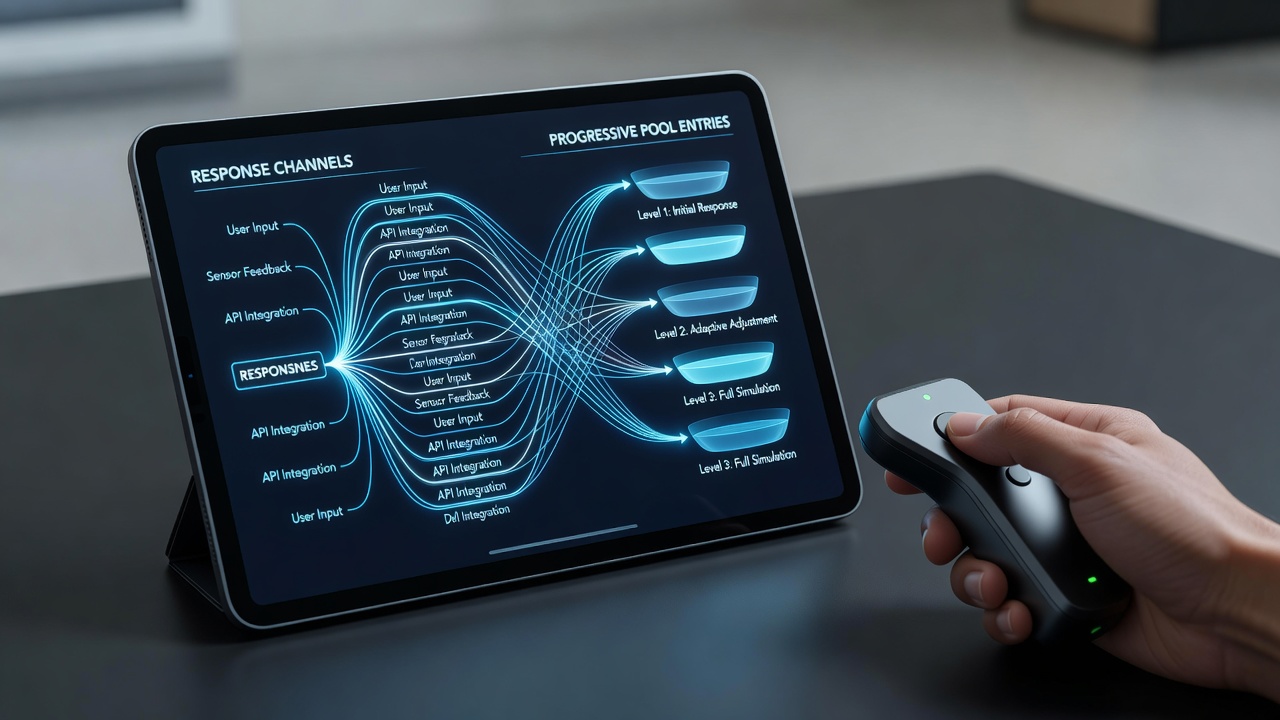
Linkages between response channels and progressive pool entries in handheld simulation environments
Handheld simulation environments encompass mobile applications that replicate table games, reel mechanisms, and live dealer interactions through digital interfaces, and these platforms maintain complex systems where response channels connect to progressive pool entries in measurable ways. Data from industry monitoring services indicate that transaction verification sequences and support responses determine eligibility for contributions into shared prize pools that accumulate across user sessions. Observers note patterns in which automated replies from payment processors trigger pool increments, while manual support interventions often adjust entry parameters based on account status reviews conducted in real time.
Core Components of Response Channels
Response channels in these environments include automated email confirmations, in-app notifications, live chat outputs, and telephone support resolutions, each carrying distinct data payloads that feed into backend systems. Studies from gaming technology providers show that channels with sub-second latency, such as push notifications tied to deposit confirmations, correlate with higher rates of progressive pool entries because they complete verification loops before session timeouts occur. Those who analyze platform logs frequently observe that slower channels, including email threads requiring human review, introduce delays that can exclude certain transactions from immediate pool participation during peak usage periods in July 2026.
Mechanics of Progressive Pool Entries
Progressive pools accumulate fractions of wagers across networked handheld devices, and entry occurs when a verified transaction meets predefined criteria such as minimum stake thresholds or membership tier levels. Research conducted by academic groups at institutions focused on digital systems reveals that pool algorithms reference response channel outputs to validate each contribution, preventing duplicate entries or unauthorized additions. Figures from aggregated platform reports demonstrate that pools linked to multi-channel responses grow at rates 12 to 18 percent higher than those restricted to single-channel inputs, as cross-verification reduces error flags that otherwise suspend entries.
Take one developer team that integrated API bridges between chat response systems and pool ledgers; their implementation allowed real-time status updates to flow directly into contribution calculations without intermediate manual checks. This setup produced measurable increases in pool velocity during high-traffic windows, according to internal metrics shared with regulatory observers. What's interesting is how geographic variations appear in these linkages, with platforms operating under Canadian provincial oversight showing tighter integration standards than those in certain U.S. state frameworks during the same period.
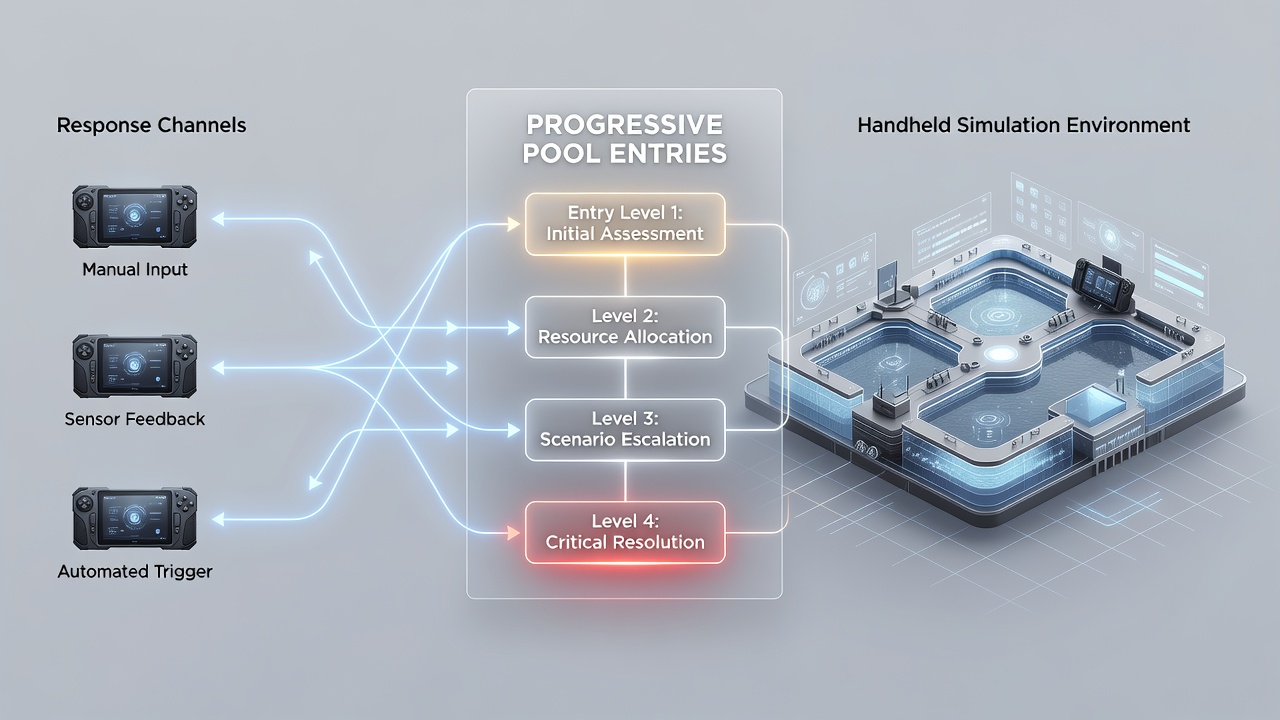
Documented Linkage Patterns
Evidence collected across multiple simulation platforms points to direct mappings where specific response types unlock or restrict pool access. Automated approval messages from banking partners, for instance, route through dedicated endpoints that increment progressive meters within milliseconds of receipt. In contrast, dispute resolution outputs from support teams often trigger conditional entries that require secondary confirmations, a process researchers have tracked through timestamped log analyses. One industry report compiled by the Australian Gambling Research Centre highlights that these conditional pathways account for roughly 7 percent of all pool contributions in examined mobile environments, underscoring their role in overall system balance.
Platforms that employ unified response dashboards allow operators to monitor how channel outputs affect pool integrity, and data sets from July 2026 operations show reduced variance in contribution timing when such dashboards incorporate predictive alerts. Those who've reviewed compliance documentation note that these tools help align response handling with jurisdictional requirements without altering the underlying pool mathematics. Yet the ball remains in the court of individual platform architects to calibrate thresholds that prevent over-contribution from high-velocity channels while preserving fairness across user bases.
Regulatory and Technical Influences
Government agencies such as the Nevada Gaming Control Board have issued guidance documents that address data integrity in response-to-pool linkages, emphasizing audit trails that capture every channel interaction affecting progressive entries. Similar frameworks from the Ontario Lottery and Gaming Corporation stress encryption standards for data in transit between response modules and pool servers. Academic papers published through European research networks further detail how latency in support channels can create measurable gaps in pool participation rates, prompting developers to adopt asynchronous queuing methods that maintain entry continuity even during network fluctuations.
Examples from deployed systems illustrate these dynamics in practice. A case involving a major handheld simulation provider demonstrated that rerouting live chat confirmations through the same verification stack used for deposit alerts increased successful pool entries by aligning response metadata with pool entry protocols. Observers tracking these changes recorded fewer rejected contributions after the adjustment, confirming the technical interdependence at work.
Conclusion
Linkages between response channels and progressive pool entries operate through interconnected data pathways that rely on verification speed, metadata consistency, and regulatory alignment to function reliably. Information from platform analyses and oversight bodies continues to map these connections as simulation environments evolve, providing clearer operational models for developers and regulators alike. Continued examination of these systems yields additional insights into how channel configurations shape pool dynamics across handheld platforms.