Payment Verification Sequences That Unlock Escalating Prize Pools Across Digital Table Simulations and Reel Mechanisms
Jordan Butler · Jun 2, 2026
Payment Verification Sequences That Unlock Escalating Prize Pools Across Digital Table Simulations and Reel Mechanisms
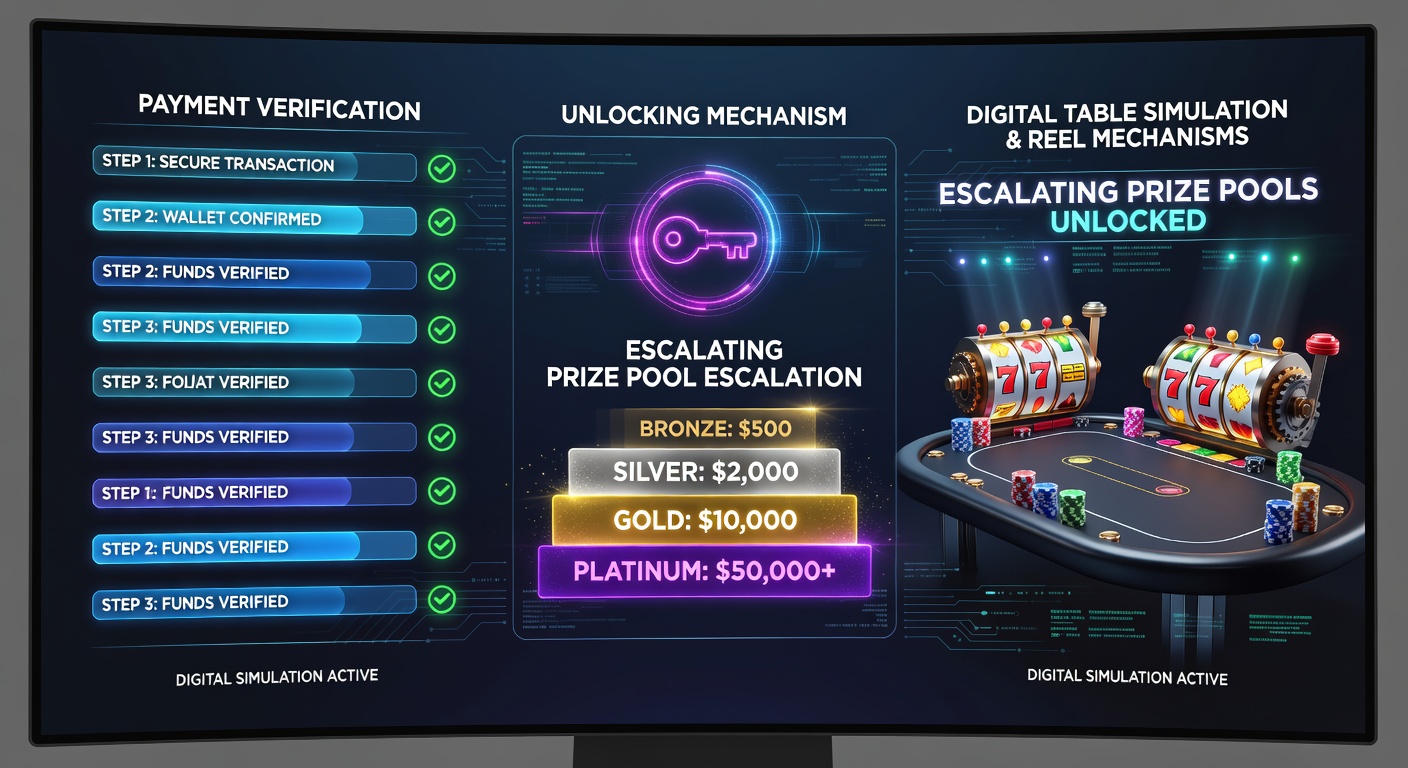
Payment verification sequences operate as structured checkpoints that confirm user funding before granting access to progressively larger prize structures in virtual gaming environments. These sequences typically begin with initial deposit authentication, move through identity cross-checks, and conclude with transaction finalization that activates higher reward tiers. Data from regulatory filings shows that platforms integrate these steps to align with compliance requirements while managing prize pool distributions across simulated card tables and spinning reel displays. Observers note that the first stage often involves real-time validation of payment methods such as credit cards, e-wallets, or bank transfers, where systems verify account details against provided information. Once cleared, users gain entry to base prize levels, yet further confirmations involving multi-factor authentication unlock intermediate pools. Research indicates that this layered approach appears across numerous digital platforms serving table simulations like blackjack and roulette alongside reel-based games.Sequence Components in Table Simulations
Digital table simulations rely on verification flows that connect payment confirmation directly to participation in escalating prize events. After an initial deposit processes, platforms require secondary checks that include address verification and source-of-funds documentation in certain regions. These steps, when completed, release access to mid-tier prize pools where accumulated player contributions form larger shared rewards.
Those who've examined platform operations point out that verification timing affects eligibility windows. A deposit verified within a set period may qualify the user for time-sensitive tables featuring boosted prize allocations. According to records from the New Jersey Division of Gaming Enforcement, verification completion rates influence how quickly participants enter these elevated structures during peak activity periods.
Application to Reel Mechanisms
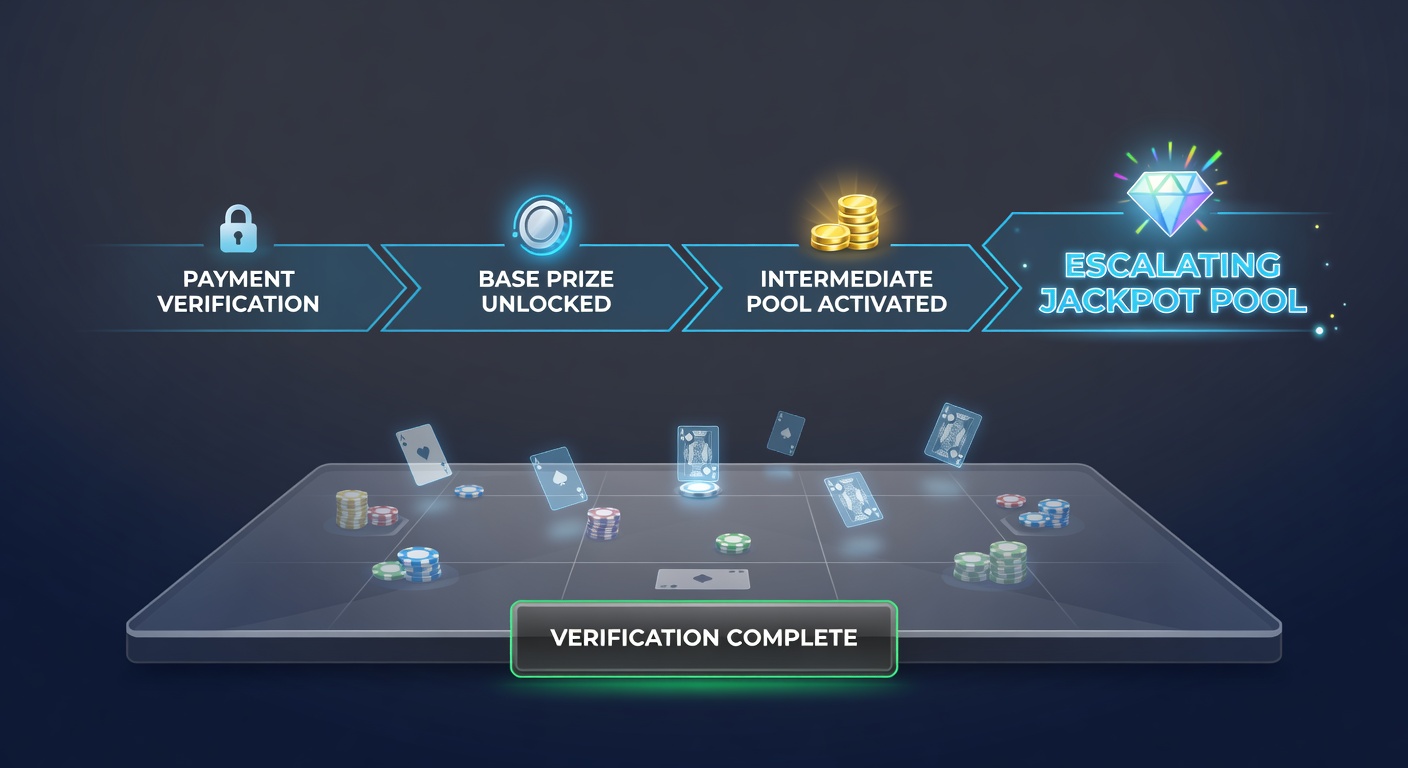 Reel mechanisms incorporate similar verification sequences yet adapt them to progressive jackpot systems that grow through verified contributions. Initial payment approval opens standard reel play, while additional authentication layers activate pathways to community prize pools. Figures from industry reports reveal that these sequences help maintain separate prize categories based on verification depth achieved by each account. What's interesting is how reel platforms link verification milestones to multiplier effects on existing jackpots. Once a sequence confirms a higher funding threshold, the system recalculates eligibility and merges the account into pools that distribute rewards at greater scales. In June 2026 several platforms adjusted their verification timing parameters following updates in multi-jurisdictional standards, resulting in streamlined sequences that still preserved separation between prize tiers.
Integration Patterns Across Platforms
Many operators combine table and reel environments under unified verification frameworks so that a single completed sequence grants access across both categories. This integration allows verified users to move between digital card tables and reel displays while retaining accumulated prize eligibility. Trade data compiled by the American Gaming Association shows consistent patterns where verification completion correlates with increased participation in pooled reward events.
Researchers have documented cases where delayed verifications create temporary holds on prize progression. Accounts that finish all sequence stages promptly encounter fewer interruptions when attempting to join higher-stakes simulations or reel progressions. Regulatory bodies in Ontario through the Alcohol and Gaming Commission have issued guidance that emphasizes transparent communication of these sequence requirements to users.
Regulatory Influences on Sequence Design
Jurisdictions impose varying requirements that shape how verification sequences function. Some regions mandate explicit confirmation of payment origin before any prize pool entry occurs, whereas others focus on post-deposit monitoring. These differences lead platforms to customize their flows while maintaining core elements that protect prize integrity.
Evidence from compliance audits demonstrates that thorough sequences reduce discrepancies in prize allocation across both table simulations and reel systems. Platforms that align their verification steps with local rules report smoother operations when handling escalating pools funded by multiple verified accounts.
Conclusion
Payment verification sequences continue to serve as foundational elements that regulate access to growing prize structures in digital gaming formats. Their design connects transaction security with reward distribution across table simulations and reel mechanisms, ensuring that each stage builds toward larger shared outcomes. As platforms adapt to evolving standards, these sequences maintain consistent roles in managing eligibility and pool participation.