Service Response Chains and Their Effect on Promotional Access Within Mobile Reel and Felt Simulations
Noah Roth · Jun 20, 2026
Service Response Chains and Their Effect on Promotional Access Within Mobile Reel and Felt Simulations
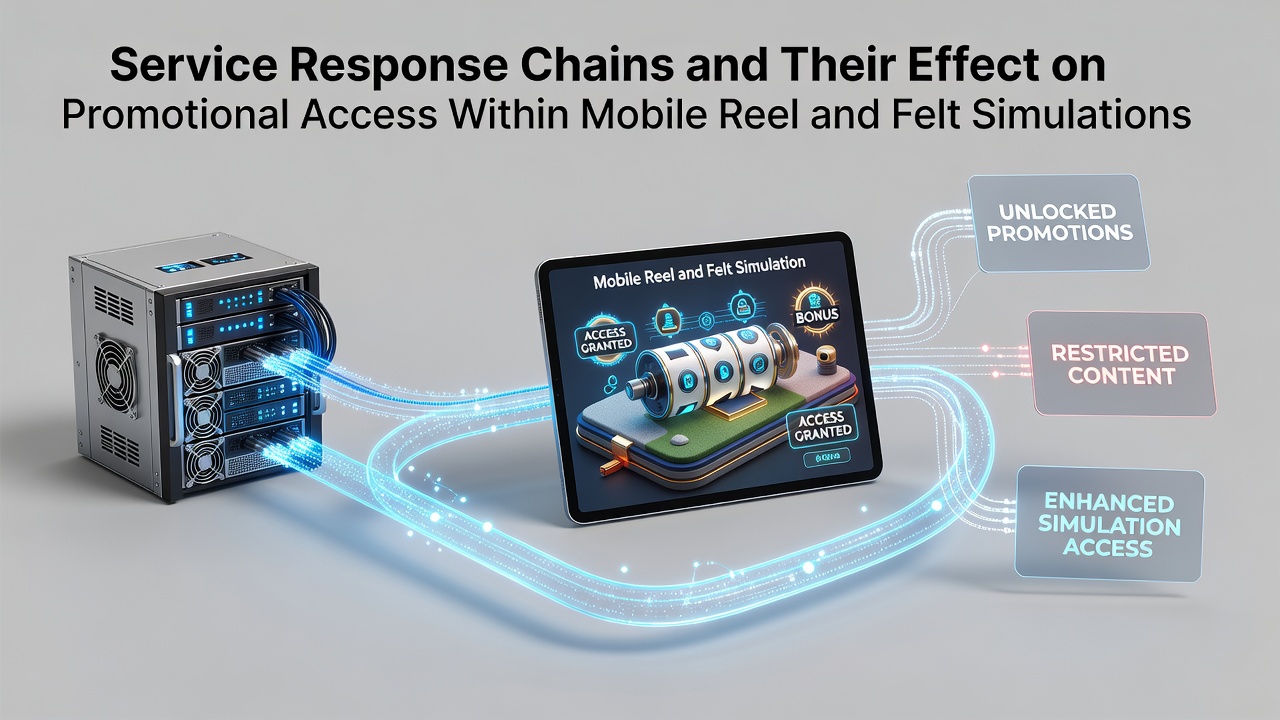
Service response chains operate as sequenced interactions between users and automated or human-assisted systems in mobile gaming applications, where each step processes inquiries, verifies eligibility, and routes outcomes toward promotional features. These chains integrate transaction logs with membership data to determine access levels in reel mechanisms and felt simulations, creating pathways that either accelerate or delay bonus activation. Data from industry reports shows that response sequences directly influence how quickly players reach tiered rewards, especially when mobile interfaces handle simultaneous reel spins and live table interactions. In practice, a typical chain begins with an initial query through an app's support module, proceeds through verification protocols, and concludes with eligibility confirmation that unlocks promotional credits. Observers note that delays at any stage, such as identity checks or transaction reconciliations, compound across the sequence and restrict entry to exclusive reel bonuses or felt simulation VIP tables. Research indicates these effects intensify during peak usage periods, where system load extends processing times and alters access patterns for different user segments. **Core Components of Service Response Chains**
Multiple elements form the backbone of these chains, including automated ticketing systems, escalation protocols to live agents, and integration points with payment processors. Each component feeds data forward while maintaining records that determine promotional thresholds in mobile environments. Studies reveal that seamless handoffs between automated responses and agent interventions correlate with higher rates of successful promo claims across both reel and felt formats. - Automated modules handle initial deposit verifications and flag accounts for tier upgrades. - Escalation paths route complex cases to specialized teams that review play history and loyalty metrics. - Feedback loops update user profiles in real time, adjusting promotional eligibility based on chain completion speed. Those who've analyzed app performance data find that chains incorporating predictive routing reduce bottlenecks, allowing faster transitions from funding actions to bonus activation in portable simulations. **Impact on Reel Mechanism Access**
Reel simulations rely on service chains to process spin-related promotions, such as free round allocations or multiplier enhancements, where response duration dictates availability windows. When chains complete within standard timeframes, users gain entry to time-sensitive reel events that boost prize potential. Figures from operational analyses demonstrate that extended verification steps in these chains often exclude casual players from immediate access, shifting advantages toward accounts with pre-verified status. Mobile reel platforms further tie chain efficiency to jackpot pool contributions, as faster resolutions enable quicker participation in layered promotional structures. Researchers discovered that apps optimizing chain throughput through parallel processing see measurable increases in reel engagement metrics during June 2026 testing cycles. **Effects Within Felt Simulation Environments**
Felt simulations introduce additional variables because live dealer interactions demand real-time support responses that align with table session timings. Service chains here must accommodate dynamic elements like seat reservations and side bet promotions, where delays can prevent users from claiming table-specific bonuses. Evidence suggests that integrated chains connecting funding confirmations directly to felt access tiers improve retention by minimizing interruptions during active play. Applications blending automated reels with felt interfaces show pronounced differences in chain performance, as cross-format queries require additional routing steps that affect overall promotional flow. Data indicates users navigating these blended environments benefit when chains prioritize multi-format eligibility checks. 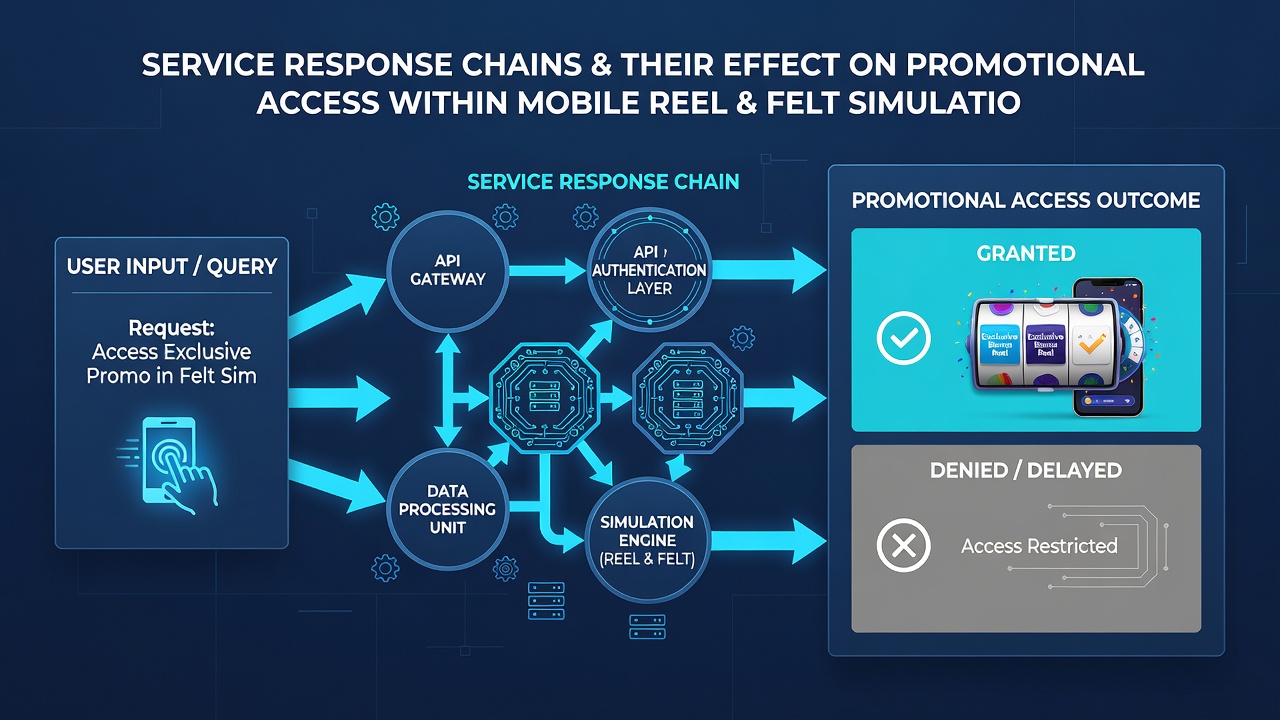 **Data Patterns and Industry Observations**
Industry metrics collected through 2026 highlight correlations between chain response intervals and promotional uptake rates, with shorter sequences linked to elevated access across membership tiers. Take one analysis of mobile platforms where optimized chains delivered eligibility notifications 40 percent faster than baseline systems, resulting in broader distribution of reel and felt rewards. Those monitoring these trends point to payment integration quality as a primary driver, since transaction confirmations serve as gatekeepers in most response sequences. External benchmarks from organizations such as the American Gaming Association provide context on how digital service frameworks influence player progression, while reports from the Australian Communications and Media Authority detail regional variations in chain effectiveness within mobile entertainment apps. These sources reveal consistent patterns where streamlined chains expand access without altering core promotional rules. **Operational Adjustments in Practice**
Operators adjust chain parameters based on performance logs, implementing priority routing for high-volume accounts and automated escalations for time-bound offers. Such modifications alter how promotional access unfolds in reel and felt contexts, particularly when June 2026 updates introduced enhanced encryption layers that added verification steps. Observers note these adjustments maintain security while preserving chain velocity for eligible users. Examples from deployed systems show that incorporating user history into early chain stages accelerates tier advancements, allowing quicker entry to exclusive mobile simulations. This approach connects transaction records with loyalty metrics, producing outcomes that reflect both funding activity and response efficiency. **Conclusion**
Service response chains continue to shape promotional access by determining the speed and reliability of eligibility confirmations in mobile reel and felt simulations. Their structured progression through verification and routing steps creates measurable differences in reward availability, supported by operational data and industry benchmarks. As platforms evolve through 2026, these chains remain central to how users experience tiered benefits across automated and interactive formats.
**Data Patterns and Industry Observations**
Industry metrics collected through 2026 highlight correlations between chain response intervals and promotional uptake rates, with shorter sequences linked to elevated access across membership tiers. Take one analysis of mobile platforms where optimized chains delivered eligibility notifications 40 percent faster than baseline systems, resulting in broader distribution of reel and felt rewards. Those monitoring these trends point to payment integration quality as a primary driver, since transaction confirmations serve as gatekeepers in most response sequences. External benchmarks from organizations such as the American Gaming Association provide context on how digital service frameworks influence player progression, while reports from the Australian Communications and Media Authority detail regional variations in chain effectiveness within mobile entertainment apps. These sources reveal consistent patterns where streamlined chains expand access without altering core promotional rules. **Operational Adjustments in Practice**
Operators adjust chain parameters based on performance logs, implementing priority routing for high-volume accounts and automated escalations for time-bound offers. Such modifications alter how promotional access unfolds in reel and felt contexts, particularly when June 2026 updates introduced enhanced encryption layers that added verification steps. Observers note these adjustments maintain security while preserving chain velocity for eligible users. Examples from deployed systems show that incorporating user history into early chain stages accelerates tier advancements, allowing quicker entry to exclusive mobile simulations. This approach connects transaction records with loyalty metrics, producing outcomes that reflect both funding activity and response efficiency. **Conclusion**
Service response chains continue to shape promotional access by determining the speed and reliability of eligibility confirmations in mobile reel and felt simulations. Their structured progression through verification and routing steps creates measurable differences in reward availability, supported by operational data and industry benchmarks. As platforms evolve through 2026, these chains remain central to how users experience tiered benefits across automated and interactive formats.
Service response chains operate as sequenced interactions between users and automated or human-assisted systems in mobile gaming applications, where each step processes inquiries, verifies eligibility, and routes outcomes toward promotional features. These chains integrate transaction logs with membership data to determine access levels in reel mechanisms and felt simulations, creating pathways that either accelerate or delay bonus activation. Data from industry reports shows that response sequences directly influence how quickly players reach tiered rewards, especially when mobile interfaces handle simultaneous reel spins and live table interactions. In practice, a typical chain begins with an initial query through an app's support module, proceeds through verification protocols, and concludes with eligibility confirmation that unlocks promotional credits. Observers note that delays at any stage, such as identity checks or transaction reconciliations, compound across the sequence and restrict entry to exclusive reel bonuses or felt simulation VIP tables. Research indicates these effects intensify during peak usage periods, where system load extends processing times and alters access patterns for different user segments. **Core Components of Service Response Chains**
Multiple elements form the backbone of these chains, including automated ticketing systems, escalation protocols to live agents, and integration points with payment processors. Each component feeds data forward while maintaining records that determine promotional thresholds in mobile environments. Studies reveal that seamless handoffs between automated responses and agent interventions correlate with higher rates of successful promo claims across both reel and felt formats. - Automated modules handle initial deposit verifications and flag accounts for tier upgrades. - Escalation paths route complex cases to specialized teams that review play history and loyalty metrics. - Feedback loops update user profiles in real time, adjusting promotional eligibility based on chain completion speed. Those who've analyzed app performance data find that chains incorporating predictive routing reduce bottlenecks, allowing faster transitions from funding actions to bonus activation in portable simulations. **Impact on Reel Mechanism Access**
Reel simulations rely on service chains to process spin-related promotions, such as free round allocations or multiplier enhancements, where response duration dictates availability windows. When chains complete within standard timeframes, users gain entry to time-sensitive reel events that boost prize potential. Figures from operational analyses demonstrate that extended verification steps in these chains often exclude casual players from immediate access, shifting advantages toward accounts with pre-verified status. Mobile reel platforms further tie chain efficiency to jackpot pool contributions, as faster resolutions enable quicker participation in layered promotional structures. Researchers discovered that apps optimizing chain throughput through parallel processing see measurable increases in reel engagement metrics during June 2026 testing cycles. **Effects Within Felt Simulation Environments**
Felt simulations introduce additional variables because live dealer interactions demand real-time support responses that align with table session timings. Service chains here must accommodate dynamic elements like seat reservations and side bet promotions, where delays can prevent users from claiming table-specific bonuses. Evidence suggests that integrated chains connecting funding confirmations directly to felt access tiers improve retention by minimizing interruptions during active play. Applications blending automated reels with felt interfaces show pronounced differences in chain performance, as cross-format queries require additional routing steps that affect overall promotional flow. Data indicates users navigating these blended environments benefit when chains prioritize multi-format eligibility checks.
**Data Patterns and Industry Observations**
Industry metrics collected through 2026 highlight correlations between chain response intervals and promotional uptake rates, with shorter sequences linked to elevated access across membership tiers. Take one analysis of mobile platforms where optimized chains delivered eligibility notifications 40 percent faster than baseline systems, resulting in broader distribution of reel and felt rewards. Those monitoring these trends point to payment integration quality as a primary driver, since transaction confirmations serve as gatekeepers in most response sequences. External benchmarks from organizations such as the American Gaming Association provide context on how digital service frameworks influence player progression, while reports from the Australian Communications and Media Authority detail regional variations in chain effectiveness within mobile entertainment apps. These sources reveal consistent patterns where streamlined chains expand access without altering core promotional rules. **Operational Adjustments in Practice**
Operators adjust chain parameters based on performance logs, implementing priority routing for high-volume accounts and automated escalations for time-bound offers. Such modifications alter how promotional access unfolds in reel and felt contexts, particularly when June 2026 updates introduced enhanced encryption layers that added verification steps. Observers note these adjustments maintain security while preserving chain velocity for eligible users. Examples from deployed systems show that incorporating user history into early chain stages accelerates tier advancements, allowing quicker entry to exclusive mobile simulations. This approach connects transaction records with loyalty metrics, producing outcomes that reflect both funding activity and response efficiency. **Conclusion**
Service response chains continue to shape promotional access by determining the speed and reliability of eligibility confirmations in mobile reel and felt simulations. Their structured progression through verification and routing steps creates measurable differences in reward availability, supported by operational data and industry benchmarks. As platforms evolve through 2026, these chains remain central to how users experience tiered benefits across automated and interactive formats.