The Synchronization of Verification Steps with Reward Tier Progressions in App-Based Simulation Environments
Blake Braun · Jun 27, 2026
The Synchronization of Verification Steps with Reward Tier Progressions in App-Based Simulation Environments
Core Mechanics of Integrated Systems
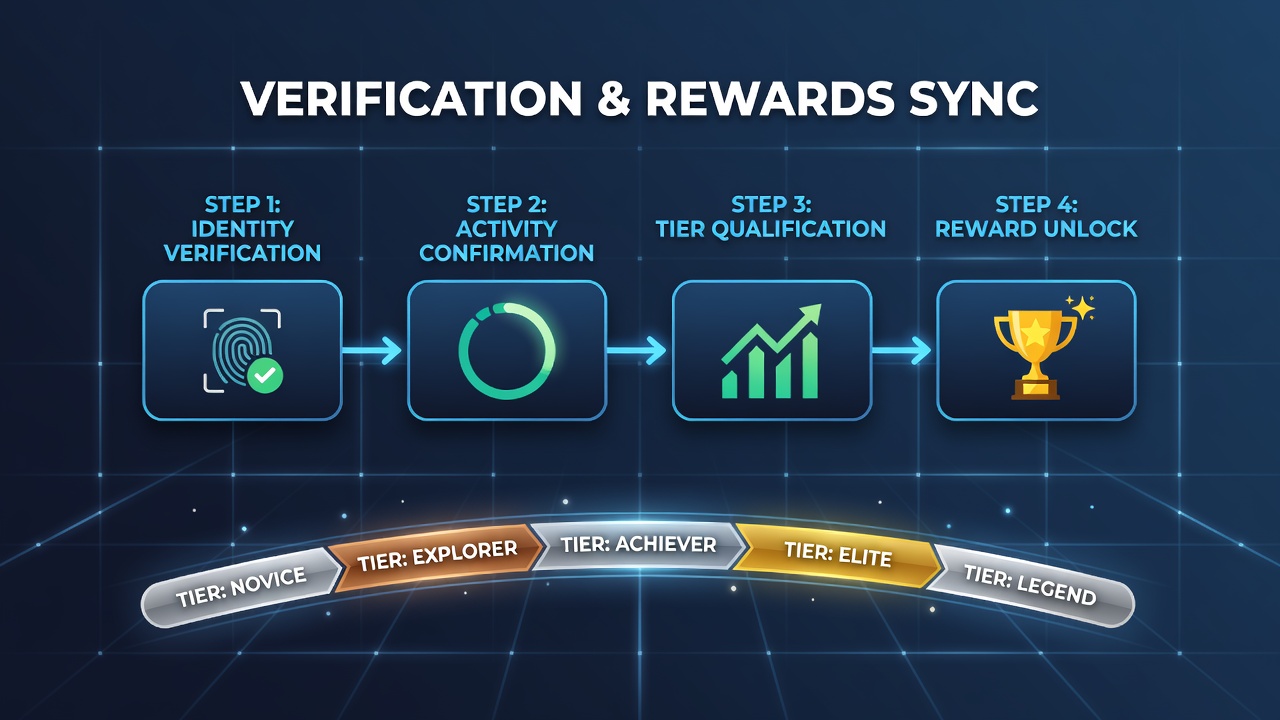
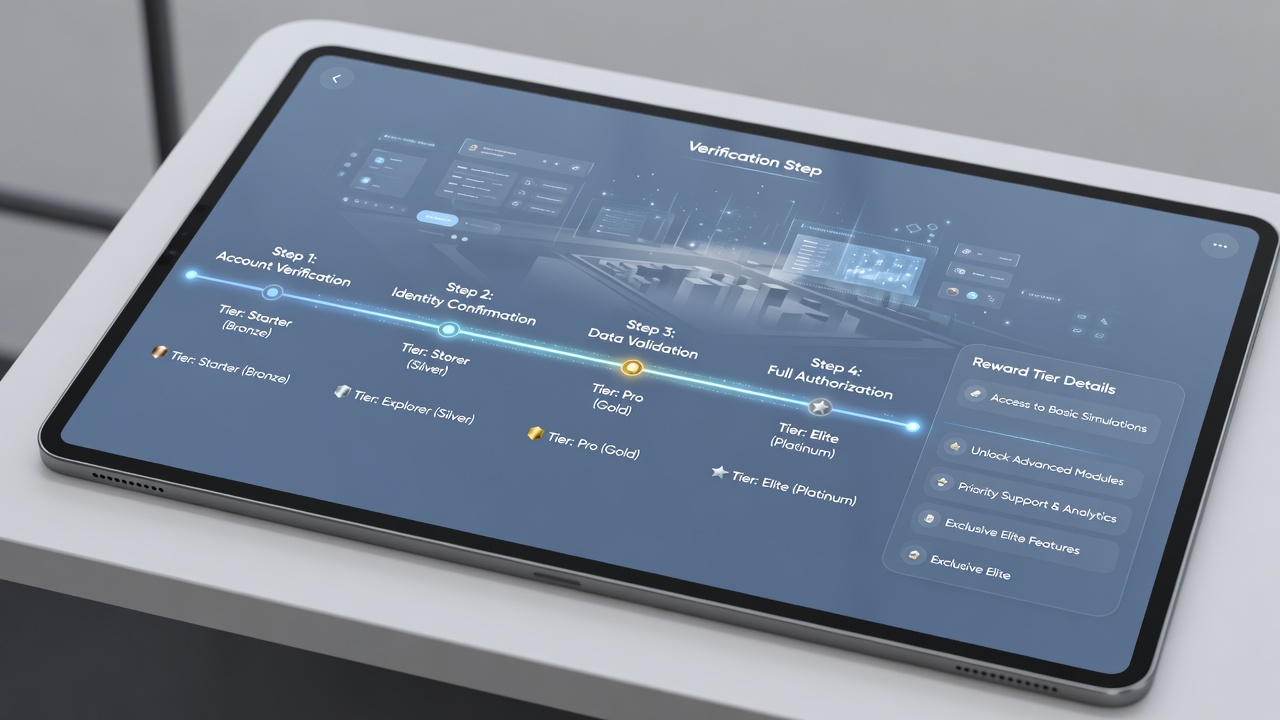
App-based simulation environments rely on coordinated verification sequences that match each stage of user advancement through structured reward tiers, and developers design these alignments so that basic account confirmations open initial access points while deeper identity checks coincide with mid-level tier thresholds. Systems process email validations alongside bronze tier entries because such steps establish baseline security without delaying early engagement, yet they escalate to document submissions as users approach silver status where additional privileges like expanded simulation modules become available. Data from industry reports shows this layering reduces friction points since automated scripts flag completed verifications in real time and trigger tier upgrades automatically upon confirmation.
Technical Frameworks Supporting Alignment
Backend architectures in these environments use API-driven workflows that connect verification providers directly to reward databases, which means a successful address confirmation can immediately adjust a user's progression meter and unlock associated benefits without manual intervention. Observers note that many platforms incorporate machine learning models to predict when verification bottlenecks might arise during tier climbs, allowing preemptive prompts that keep users moving forward through silver and gold stages. Research from academic institutions indicates synchronization improves retention metrics because participants encounter fewer interruptions as they accumulate simulation hours or complete scenario objectives tied to tier milestones.
Figures from Canadian regulatory analyses reveal that apps implementing these synced processes experience measurable gains in user completion rates for advanced modules, particularly when verification occurs at predictable intervals rather than as isolated events. Developers often map each tier requirement to specific data fields so that partial verifications contribute incrementally toward higher rewards, creating a continuous flow instead of abrupt halts at checkpoints.
Case Examples from Current Deployments
One simulation platform focused on urban planning scenarios integrated its verification pipeline with tier progressions in early 2026, resulting in users reaching platinum status only after multi-factor authentication and behavioral pattern reviews aligned with accumulated project completions. Another environment centered on engineering training modules timed its document uploads to coincide with silver tier access, which allowed participants to access collaborative tools once initial checks cleared. These implementations demonstrate how synchronization operates across different simulation categories, where verification steps scale in complexity exactly as reward structures expand to include custom scenarios or priority server access.
Regional Regulatory Influences on Synchronization Practices
Authorities in Australia have issued guidelines that encourage verification timing to match tier thresholds in simulation apps, and these recommendations emphasize data minimization so that only necessary checks activate at each progression level. European Union frameworks similarly promote interoperability standards that let verification data flow seamlessly into reward engines, which helps developers maintain compliance while users advance through tiers based on verified milestones. According to reports released in June 2026 by regional oversight bodies, synchronized approaches correlate with lower dispute volumes because users understand exactly when additional steps will unlock new simulation features and associated incentives.
Industry associations across North America track these patterns through aggregated platform data, revealing that apps with tightly coupled verification and tier systems report higher average session durations since participants move fluidly between confirmation points and reward activations. The approach avoids isolated verification events by embedding them within the natural rhythm of simulation objectives, such as completing a virtual project phase before a gold tier review begins.
Future Trajectories and System Evolutions
Emerging standards propose greater use of biometric options that sync automatically with tier ascents, allowing facial or fingerprint confirmations to occur at the moment a user qualifies for enhanced simulation environments rather than as separate tasks. Analysts from various research centers project continued refinement of these linkages through 2027, with emphasis on reducing latency between verification approval and reward distribution. Such developments build on existing patterns where each tier level incorporates its own verification depth, ensuring that higher privileges require correspondingly robust confirmations without disrupting ongoing user activities in the simulation space.
Conclusion
Verification synchronization with reward tiers forms a foundational element in app-based simulation environments, where coordinated steps support steady user advancement across multiple progression levels. Current deployments illustrate consistent application of these alignments through API integrations and predictive modeling, while regulatory inputs from diverse regions shape their implementation. Data continues to highlight operational benefits including improved completion rates and reduced interruptions, pointing toward further refinements that maintain this balance between security requirements and reward accessibility in evolving simulation platforms.