Tracing Query Resolution Patterns That Shape Deposit Efficiency Within Tiered Reward Ecosystems Across Digital Entertainment Applications
Sofia Becker · Aug 22, 2026
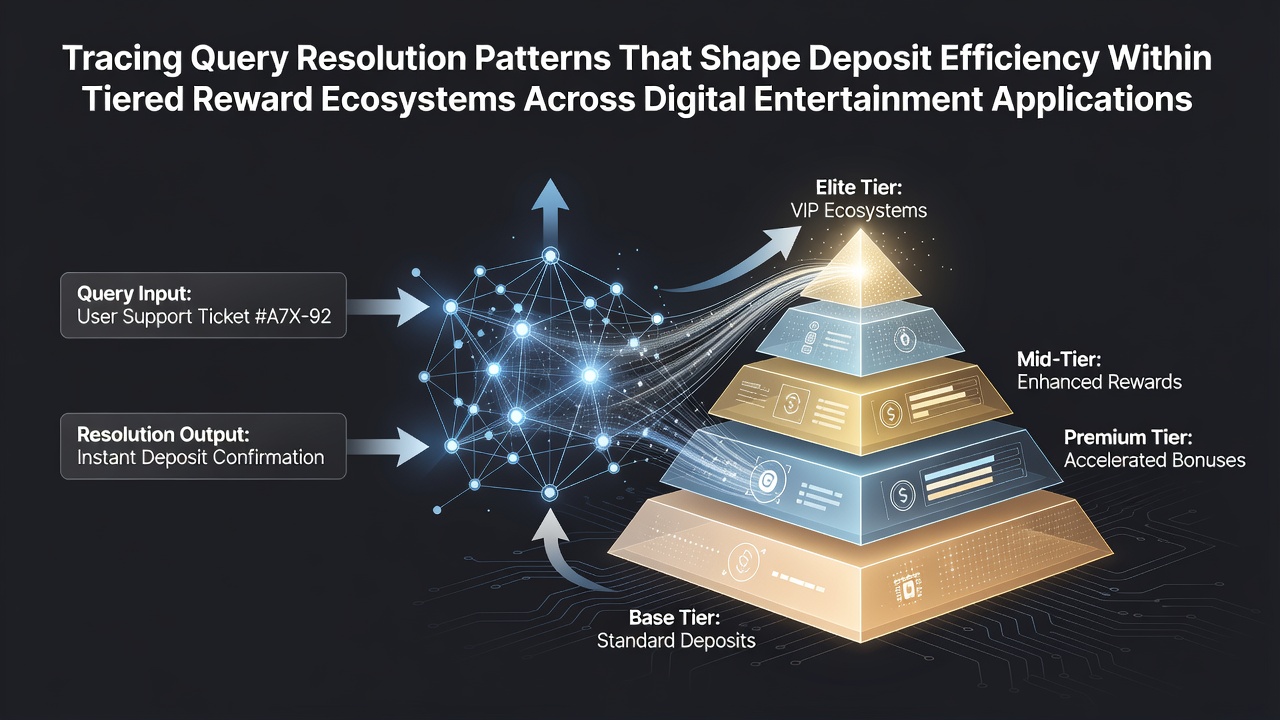
Tracing Query Resolution Patterns That Shape Deposit Efficiency Within Tiered Reward Ecosystems Across Digital Entertainment Applications
Query resolution patterns in digital entertainment applications involve structured sequences where support systems address user inquiries about account funding, reward eligibility, and tier progression. These patterns directly influence deposit efficiency, which refers to the speed and success rate of financial transactions that unlock benefits within layered membership structures. Observers note that applications tracking these patterns often report measurable improvements in how quickly users move funds and access escalating rewards.
Core Components of Query Resolution in Tiered Systems
Digital entertainment platforms organize queries into categories such as transaction verification, reward status checks, and tier advancement requests. Resolution typically begins with automated triage that routes simple inquiries to self-service tools while escalating complex cases to human agents. Research from industry reports indicates that platforms using pattern recognition software reduce average resolution times by integrating data from previous user interactions. This approach connects deposit attempts with historical query data so that recurring issues receive faster handling.
Patterns emerge when systems log common friction points like verification delays or mismatched reward criteria. Those who study these ecosystems find that early detection of repeated query types allows operators to adjust backend processes before they affect deposit volumes. In August 2026, several platforms released aggregated metrics showing that streamlined query flows correlated with higher completion rates for tier-specific deposits.
How Tiered Rewards Interact with Deposit Processes
Tiered reward ecosystems assign users to levels based on activity metrics that include deposit frequency, total volume, and engagement duration. Higher tiers unlock faster processing speeds, larger bonus multipliers, and priority access to new features. Query resolution plays a central role because unresolved issues at lower tiers often block users from meeting the deposit thresholds required for advancement.
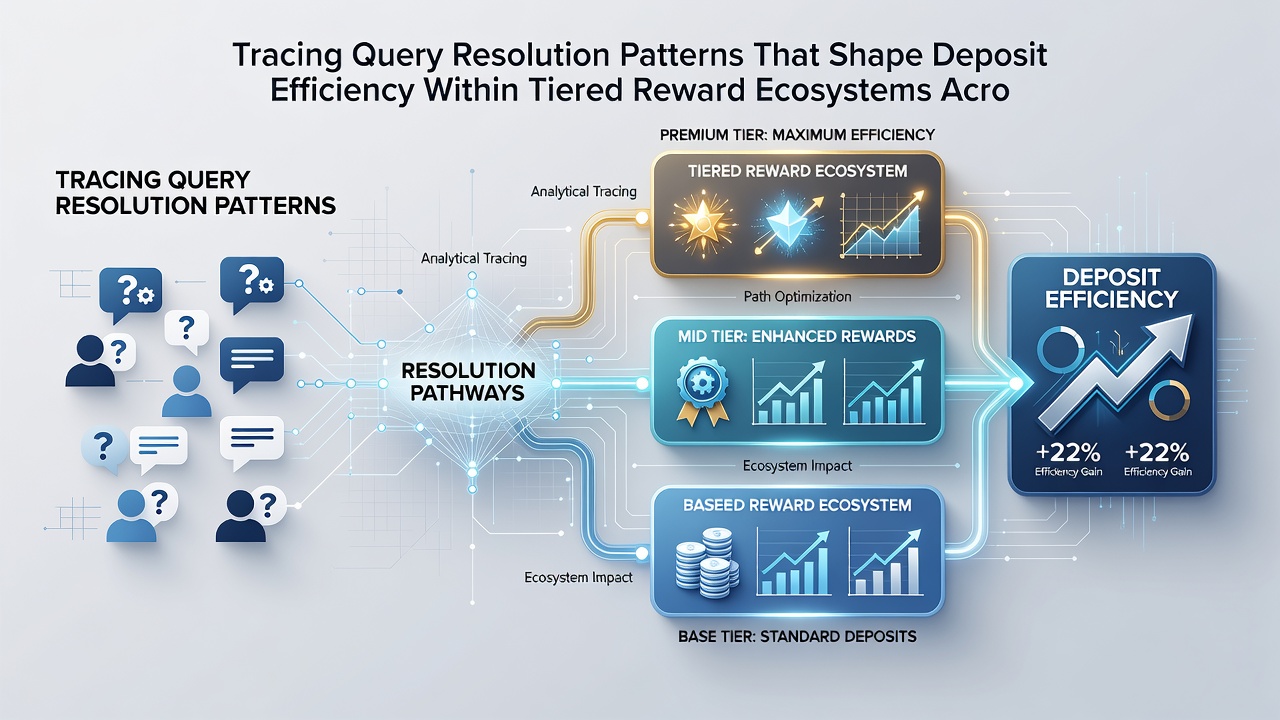
Data from multiple applications shows that users who encounter unresolved queries about deposit limits experience longer delays when attempting to qualify for the next reward level. Conversely, platforms that resolve verification queries within the first interaction cycle see improved progression rates. Experts have observed that these improvements stem from integrated systems that link query logs directly to transaction processors, allowing automatic adjustments for users with clean resolution histories.
Observed Patterns Across Multiple Applications
Analysts tracking query resolution across various digital entertainment platforms identify recurring sequences that affect deposit outcomes. One common pattern involves initial deposit attempts triggering security queries that, once resolved, automatically update tier status and reduce future verification steps. Another pattern appears when users submit reward eligibility questions before funding; quick answers in these cases often lead to immediate deposit completion and tier movement.
Figures from regulatory summaries reveal that applications maintaining detailed resolution timelines achieve more consistent deposit efficiency across all user tiers. In regions outside the primary North American markets, similar trends appear in reports issued by bodies such as the European Gaming and Betting Association, which document how support integration influences transaction success. Additional evidence from Canadian research institutions highlights comparable results in mobile-first environments where query patterns are monitored in real time.
Technical Mechanisms Driving Efficiency Gains
Modern platforms employ machine learning models that analyze past query outcomes to predict and preempt deposit-related issues. These models flag accounts likely to encounter verification hurdles and trigger preemptive communications. The result is a measurable lift in deposit completion rates, particularly among users moving between mid-level tiers where reward criteria grow more stringent.
Applications that combine query history with deposit data also reduce the number of manual reviews required. This reduction occurs because resolved patterns feed into automated approval rules that apply to subsequent transactions. Observers note that such automation maintains consistency even as user volumes increase during peak periods.
Conclusion
Query resolution patterns continue to shape deposit efficiency within tiered reward ecosystems by creating feedback loops that accelerate both support outcomes and financial transactions. Platforms that map these patterns achieve more reliable progression for users across all membership levels. As digital entertainment applications expand their tracking capabilities, the connection between resolved inquiries and successful deposits remains a central factor in overall system performance.