VIP Structures Linking Support Protocols to Prize Access in App-Based Table Simulations
Blake Braun · Aug 25, 2026
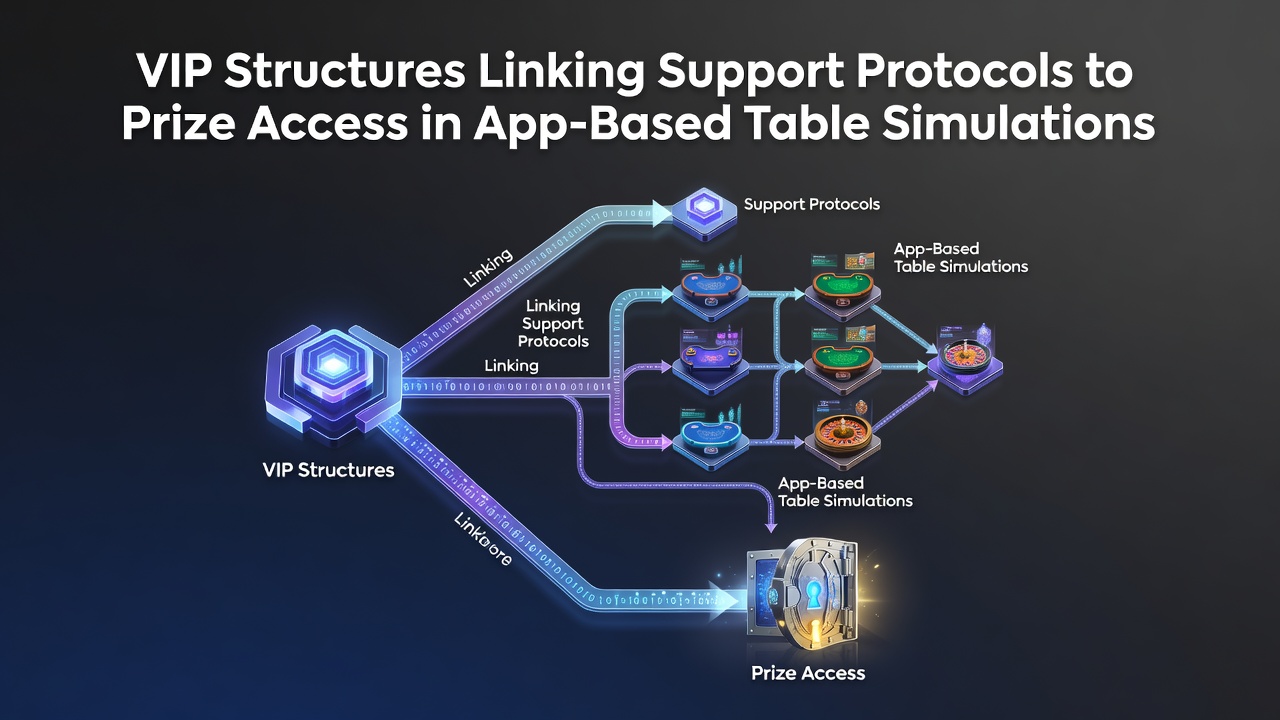
VIP Structures Linking Support Protocols to Prize Access in App-Based Table Simulations
App-based table simulations have expanded rapidly since the early 2020s, and layered membership programs now connect customer support channels directly to prize distribution systems in mobile environments. These structures organize users into tiers that determine response times for verification requests, eligibility reviews, and fund release sequences across digital blackjack, poker, and roulette formats. Data from industry tracking services show continued growth in tiered access models through mid-2026, particularly as platforms refine automated and live dealer integrations.
Core Components of Tiered Membership Systems
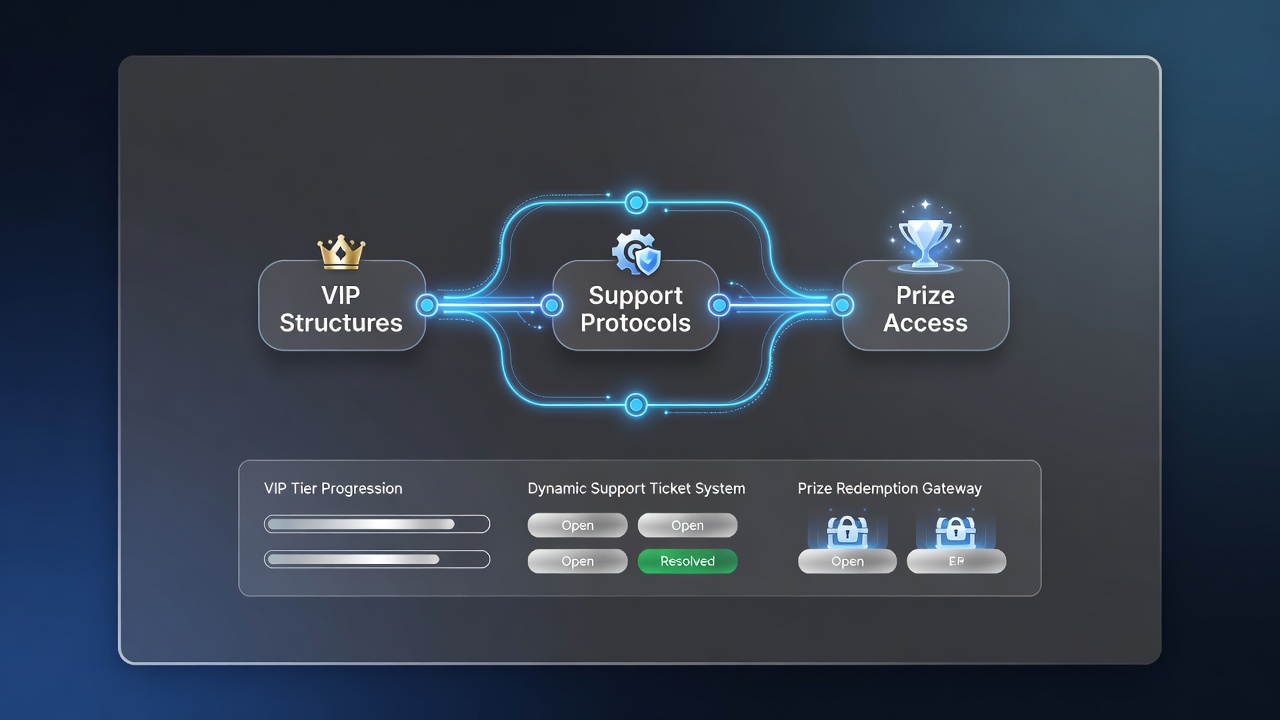
Platforms typically divide users across bronze, silver, gold, platinum, and diamond levels based on cumulative play volume, deposit frequency, and account tenure. Each tier activates distinct support pathways, including dedicated chat queues and priority ticket routing, which accelerate identity checks required before prize claims proceed. Observers note that higher tiers often receive direct line access to specialized agents trained on regulatory compliance steps specific to table game outcomes. This setup reduces processing intervals from standard 48-hour windows to same-day handling in many documented cases.
Account verification forms the first gate, where support staff cross-reference player details against banking records and game logs. Once cleared, prize access protocols unlock, allowing users to initiate withdrawals or bonus conversions tied to table simulation results. Research from academic studies on digital gambling interfaces indicates that these tiered protocols improve claim completion rates by routing complex cases to experienced teams rather than general queues.
Support Integration with Prize Eligibility Workflows
Customer assistance teams serve as intermediaries between automated detection systems and manual overrides for edge cases such as disputed hand histories or network interruptions during live dealer sessions. In August 2026, several major platforms reported updates to their backend systems that flag VIP accounts for expedited review within minutes of a prize trigger. Agents then guide users through required documentation uploads, confirm compliance with regional rules, and authorize transfers once all checkpoints clear.
Those who have examined platform architectures describe how support logs feed into centralized databases that track every interaction leading to a payout. This creates an audit trail that satisfies licensing requirements while giving qualifying members clearer visibility into status updates. The process applies equally to simulated table environments and hybrid apps that blend RNG tables with real-time dealer feeds.
Regional Regulatory Influences on Protocol Design
Licensing jurisdictions shape how support protocols align with prize access. Platforms operating under Nevada Gaming Control Board oversight must maintain detailed records of all tier-related interventions, while operators licensed by the Malta Gaming Authority apply similar standards across European user bases. Canadian provincial frameworks add further requirements around transaction transparency, prompting developers to embed region-specific flags into their tier management software. These variations mean that a single app may route VIP support tickets differently depending on the player's registered location.
According to figures released by the American Gaming Association, mobile table simulation revenue reached new quarterly highs in early 2026, with VIP segments contributing a disproportionate share of claim volume. Industry reports highlight that streamlined support reduces abandonment rates during the final payout stages, an outcome attributed to pre-verified status levels that bypass repeated identity prompts.
Technical Mechanisms Behind Tier-Based Access
Backend algorithms assign support priority scores derived from tier status, recent activity, and claim history. When a prize threshold activates, the system automatically elevates the ticket and notifies the appropriate agent group. Users in elevated tiers often encounter fewer intermediate screens during the claim process because prior verifications remain cached and linked to their profile. This linkage appears in multiple case examples where diamond-level accounts completed prize transfers in under four hours compared with multi-day timelines for entry-level accounts.
Platform documentation shows that support protocols also incorporate escalation paths for disputed outcomes in table simulations. Agents review replay data, consult with game integrity teams, and issue resolutions that either uphold or adjust prize eligibility. The entire sequence remains logged for regulatory audits, ensuring that tier advantages do not circumvent required compliance checks.
Conclusion
VIP structures in app-based table simulations function through interconnected support and prize systems that prioritize verified users while preserving regulatory safeguards. As platforms continue updating these frameworks into late 2026, the relationship between tier status, agent routing, and claim execution remains a central operational feature. Observers tracking these developments point to consistent patterns where dedicated support pathways shorten access times without altering underlying eligibility rules.