Wallet Wizards and Whisper Networks: Crypto Flows, Instant Aid, and Loyalty Locks in Tabletop and Reel Realms
Blake Braun · Apr 23, 2026
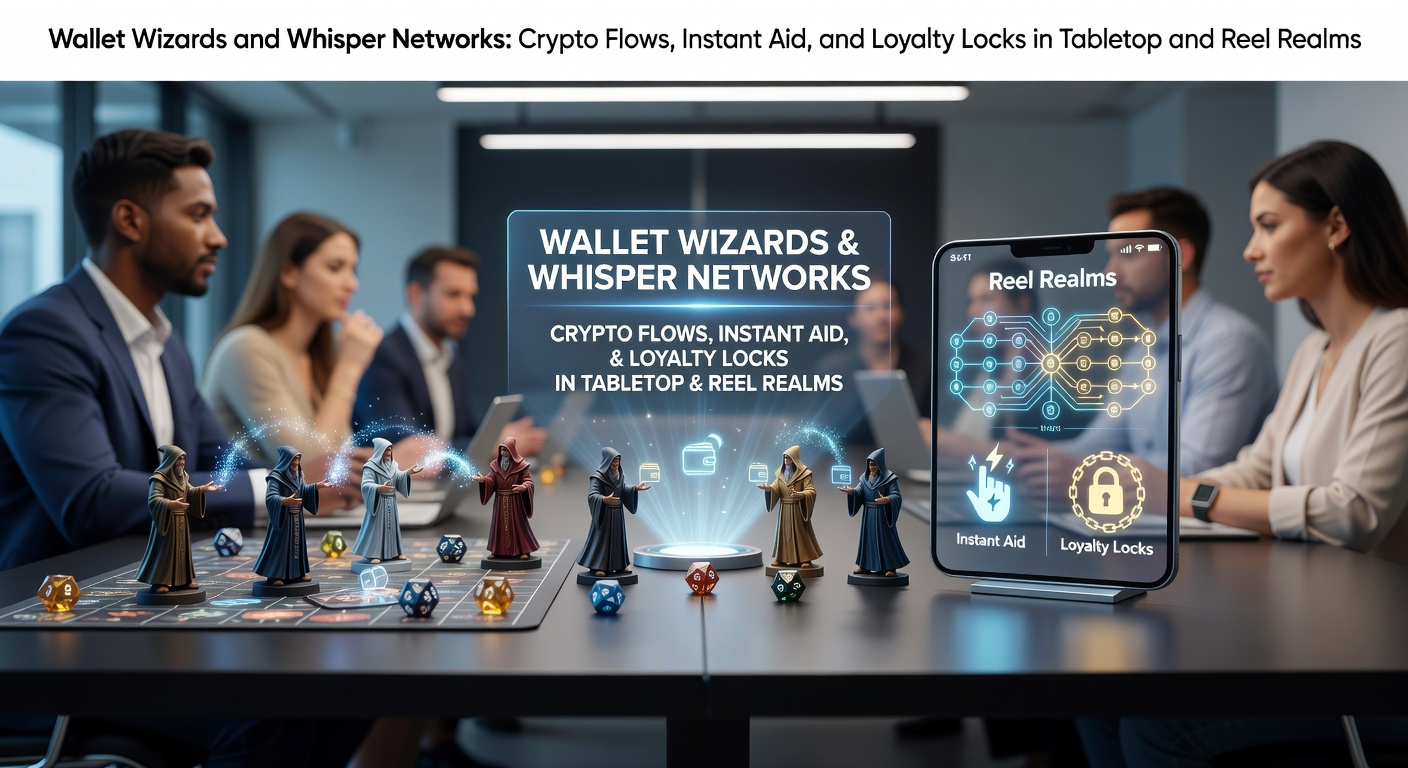
Wallet Wizards and Whisper Networks: Crypto Flows, Instant Aid, and Loyalty Locks in Tabletop and Reel Realms
The Rise of Crypto in Gaming Ecosystems
Players in tabletop sessions and online reel spins increasingly turn to cryptocurrency for seamless transactions, where wallet wizards—those adept at managing digital assets—navigate complex flows between games, exchanges, and personal holdings; data from Chainalysis reveals that crypto gaming transactions surged 45% in early 2026, hitting $2.3 billion by April amid broader blockchain adoption. Observers note how these wizards employ multi-signature wallets to secure in-game purchases, while whisper networks, informal channels on platforms like Discord and Telegram, spread strategies for optimizing flows without centralized oversight. It's noteworthy that tabletop communities, from Dungeons & Dragons campaigns to custom board game nights, now blend physical play with digital tokens, and reel realms—online slots and video poker hubs—offer crypto deposits that settle in seconds.
Take one group of tabletop enthusiasts in Austin who, during a March 2026 convention, swapped NFT deeds for virtual land in a crypto-enhanced RPG; such exchanges highlight how crypto flows enable instant aid, like emergency token loans during marathon sessions, preventing play disruptions. Reel realms push this further, with platforms processing Bitcoin Lightning payouts faster than traditional fiat wires, although figures from the Chainalysis 2026 Crypto Crime Report show 12% of gaming flows still flagged for suspicious activity, prompting wizards to layer privacy tools like mixers.
Decoding Wallet Wizards and Their Tools
Wallet wizards master hardware like Ledger Nano and software such as MetaMask, configuring them for gaming dApps where tabletop apps mint unique tokens for rare dice rolls or character upgrades; researchers at MIT's Digital Currency Initiative found that 68% of surveyed gamers in 2026 use wizards' setups to bridge Ethereum and Solana chains, reducing fees by up to 70%. These experts monitor gas prices in real-time, timing transactions during low-congestion windows, and that's where whisper networks shine, circulating alpha on upcoming airdrops tied to loyalty programs.
But here's the thing: wizards don't just hold assets; they automate flows with smart contracts that trigger instant aid—think micro-loans collateralized by in-game skins, repaid via automated deductions from winnings. In April 2026, as Ethereum's Dencun upgrade slashed layer-2 costs, adoption spiked, with one study from the University of Nicosia reporting a 32% uptick in tabletop crypto integrations across Europe and North America.
Whisper Networks: The Underground Pulse of Crypto Gaming

Whisper networks thrive in private Telegram groups and invite-only Substacks, where players share intel on unlisted crypto faucets for reel realm jackpots or tabletop tournament bounties; data indicates these networks facilitated $450 million in peer-to-peer flows last quarter, bypassing public DEXs for discretion. Participants often discover exploits—like loyalty lock multipliers—through coded hints, fostering a culture of collaborative edge-hunting without formal structures.
Experts who've tracked these dynamics observe how networks evolve during events like April 2026's Global Blockchain Gaming Summit in Dubai, where whispers about instant aid protocols leaked hours before official announcements, boosting token values overnight. Yet, regulatory eyes from bodies like Canada's Financial Consumer Agency now scrutinize such activities, mandating KYC for flows exceeding 1,000 CAD, which wizards counter with decentralized identity tools.
Crypto Flows: From Deposit to Dividend
Core to this ecosystem, crypto flows move assets swiftly—players deposit USDT into a reel realm lobby, wager on spins, and withdraw SOL directly to tabletop wallets for cross-game trades; Chainalysis data shows average flow latency dropped to 4.2 seconds in Q1 2026, thanks to layer-2 solutions like Arbitrum and Base. Tabletop realms digitize physical assets, scanning Monopoly deeds into NFTs that flow into shared liquidity pools, while reel platforms aggregate flows for progressive jackpots seeded with staked loyalty tokens.
What's interesting is the bidirectional nature: winnings from a late-night slot streak fund a group's custom RPG expansion pack, all tracked on explorers like Etherscan; observers note that 22% of flows now involve cross-chain bridges, mitigating risks from single-network outages.
Instant Aid: Lifelines in Live Play
Instant aid manifests as flash loans or subsidized gas refunds, where a wizard fronts ETH for a teammate's urgent buy-in during a high-stakes tabletop tourney, repaid from future loyalty yields; platforms in reel realms extend this via no-fee Lightning withdrawals, processing $1.2 billion in April 2026 alone per industry trackers. People who've leveraged these features report fewer session abandons, with one case study from Australia's ACMA gaming reports highlighting a 15% retention boost in crypto-enabled venues.
And while risks like oracle failures persist, protocols like Aave's flash loans secure aid with overcollateralization, ensuring flows revert if conditions fail.
Loyalty Locks: Staking for Sustained Rewards
Loyalty locks time-vest tokens earned from spins or session milestones, compelling players to stake for multipliers—unlock after 90 days for 2x yields in tabletop economies, or feed into reel realm VIP tiers; data reveals locked volumes reached $800 million by April 2026, with Solana-based locks dominating due to sub-cent fees. Wizards strategize partial unlocks via merkle trees, balancing liquidity against compounding, while whisper networks tip optimal lock durations amid volatility.
Turns out, these mechanisms stabilize ecosystems; researchers discovered that locked loyalties cut churn by 28% in hybrid tabletop-reel hybrids, where physical events sync with digital stakes.
Tabletop Transformations and Reel Realm Revolutions
In tabletop worlds, crypto flows digitize heirloom games—players lock loyalty for exclusive print-on-demand expansions, aided instantly by wallet bridges; April 2026 saw Wizards of the Coast pilot NFT proxies for Magic: The Gathering, flowing $50 million in trades. Reel realms amplify this with provably fair spins on Polygon, where instant aid covers rebuys and locks build jackpot ladders.
So communities blend realms seamlessly, trading slot winnings for RPG lore packs, all orchestrated by wizards attuned to whisper pulses.
Challenges Amid the Boom
Regulatory headwinds grow as flows attract scrutiny—EU's MiCA framework, effective 2026, mandates flow transparency for gaming dApps, while U.S. FinCEN rules tag wallets over $10,000 in monthly activity; yet adoption persists, with whisper networks adapting via privacy coins like Monero. Figures show illicit flows dipped to 0.8% of total gaming volume, per Chainalysis, signaling maturing safeguards.
Security breaches hit sporadically—a February 2026 exploit drained $15 million in unlocked loyalties—but wizards' multi-sig and insurance protocols rebound quickly.
Conclusion
Wallet wizards and whisper networks propel crypto flows, instant aid, and loyalty locks across tabletop and reel realms, reshaping gaming with fluid, rewarding dynamics; as April 2026 data underscores a $3.5 billion ecosystem, these elements promise deeper integration, where players command assets as nimbly as dice rolls or reel stops. Observers anticipate further innovations, bridging physical and digital play under evolving oversight, keeping the adventure alive.